










Alcohol Addiction Treatment in New Jersey
Our New Jersey Alcohol Addiction Program at a Glance
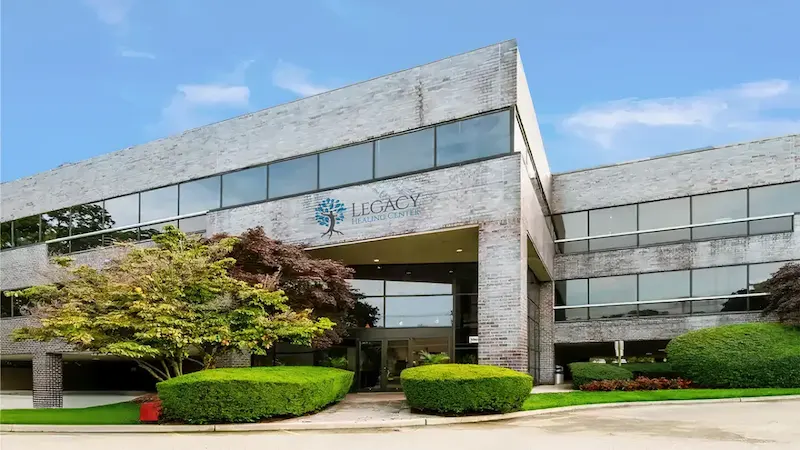
- 300 Littleton Rd, Parsippany, NJ
- 732-402-0352
- Schedule: Monday thru Saturday
- Group Size: 10-12 adults
Personalized Plans
Luxury Care
Same-Day Admission
Personalized Care
Full Continuum
Dual Diagnosis
Medication Support
Flexible IOP
Gold Seal
Break Free from Alcohol Use Disorder (AUD) in New Jersey
Legacy Healing Center’s alcohol treatment program in New Jersey provides structured, professional support system for long-term sobriety.
Our treatment centers provide medical detox coordination, partial hospitalization (PHP), intensive outpatient treatment (IOP), outpatient care, and dual diagnosis treatment for alcohol use disorder. Our admissions team is standing by to help you determine the right level of care, verify private insurance benefits, explain current program availability.
What is Alcohol Use Disorder (AUD)?
Alcohol use disorder (AUD) is a medical condition involving a problematic pattern of alcohol use that causes clinically significant impairment or distress and difficulty controlling drinking despite negative consequences. (NIAAA; DSM-5-TR)
DSM-5 Criteria for Alcohol Use Disorder
A clinician may diagnose AUD when at least two of the following occur within a 12-month period:
- Drinking more alcohol or drinking for longer than intended.
- Repeatedly wanting or trying unsuccessfully to cut down or stop.
- Spending substantial time obtaining alcohol, drinking, or recovering from its effects.
- Experiencing strong cravings or urges to drink.
- Alcohol use interfering with responsibilities at home, work, or school.
- Continuing to drink despite recurring relationship or interpersonal problems.
- Giving up or reducing important social, occupational, or recreational activities.
- Repeatedly using alcohol in physically hazardous situations.
- Continuing to drink despite knowing it is worsening a physical or psychological problem.
- Developing tolerance, meaning more alcohol is needed to achieve the same effect.
- Experiencing alcohol withdrawal or drinking to relieve or avoid withdrawal.
AUD severity: Mild = 2–3 criteria; Moderate = 4–5 criteria; Severe = 6 or more criteria.
Excessive alcohol use can affect nearly every major body system. Long-term risks include liver disease, high blood pressure, heart disease, stroke, memory and cognitive problems, depression, anxiety, digestive problems, weakened immunity, and several cancers. (CDC)

Medical Detox in New Jersey: Safety and Comfort Come First

If you have been drinking heavily or regularly enough to experience withdrawal when you stop, alcohol detox may be the first step in your treatment plan. At Legacy Healing Center, the goal of detox is not simply to get alcohol out of your system—it is to help you stop drinking as safely and comfortably as possible, stabilize your physical health, and prepare you to begin the therapeutic portion of alcohol treatment.
What Happens When You Arrive for Alcohol Detox?
Your treatment begins with a medical and clinical assessment. The team reviews your drinking history, when you last drank, previous withdrawal experiences, medications, physical health, mental health, and whether you have ever experienced seizures, hallucinations, or severe withdrawal. From there, your detox plan is personalized around your withdrawal risk and symptoms.
During medically supervised alcohol detox, care may include:
- 24/7 medical monitoring of blood pressure, heart rate, temperature, breathing, and withdrawal symptoms.
- Medications when clinically appropriate to reduce anxiety, tremors, insomnia, nausea, agitation, and the risk of serious complications such as seizures.
- Hydration and nutritional support as your body begins recovering from prolonged alcohol use.
- Comfort medications and sleep support when appropriate to make the first days of withdrawal more manageable.
- Regular reassessment so medications and the level of monitoring can be adjusted as symptoms change.
- Emotional support and reassurance without expecting you to immediately participate in an intensive therapy schedule while your body is still stabilizing.
The first priority is to help you rest, stabilize, and get through withdrawal safely. More intensive therapy begins as you become medically and physically ready.
How Long Does Alcohol Detox Usually Take?
For someone entering treatment with moderate to severe alcohol dependence, plan on roughly 5–7 days of detox, although some people stabilize sooner and others may require 7–10 days or longer depending on their drinking history, overall health, medications, previous withdrawal complications, and how their symptoms progress.
A typical detox may look like this:
Day 1: Assessment & Early Withdrawal
Days 2–3: Closest Monitoring
Days 4–5: Stabilization
Days 5–7+: Transition Into Alcohol Treatment
What Happens After Alcohol Detox?
Detox is the beginning of alcohol treatment—not the entire treatment. Once your body is stable, your team determines the appropriate next level of care based on your alcohol use, mental health, home environment, relapse risk, and progress during detox.
That may mean transitioning into residential treatment, PHP, IOP, outpatient treatment, dual diagnosis care, medication support for alcohol use disorder, and ongoing relapse-prevention services.
For clients planning to receive outpatient care through Legacy Healing Center Parsippany, admissions can help coordinate medically supervised detox when it is required before transitioning into the appropriate NJ treatment program.
Continuum of Care
Treatment intensity should change as a person becomes medically and emotionally more stable. ASAM describes addiction treatment as a continuum in which patients may step up or step down based on repeated clinical assessment rather than an arbitrary fixed length of stay.
Levels of Care in NJ
Level of Care | Typical Intensity | Common Planning Range | When It Fits / Typical Transition |
Medical Detox | 24/7 withdrawal monitoring | About 3–7 days | Appropriate when alcohol withdrawal requires medical supervision; usually followed by residential treatment or PHP. |
Residential Treatment | 24/7 structured living and treatment | Often 2–4+ weeks, individualized | Appropriate when a person needs round-the-clock structure or separation from triggers; Legacy NJ can coordinate higher-level placement when indicated. |
Partial Hospitalization Program (PHP) | About 20–30 hours/week, generally 5 days | Often 2–4 weeks, based on progress | Common step-down from detox/residential care or step-up from IOP when more daily structure is needed. |
Intensive Outpatient Program (IOP) | About 9–15 hours/week, typically 3–5 days | Often begins with 4–8 weeks and may continue longer | Common step-down from PHP for people stable enough to live at home or sober living while maintaining substantial clinical support. |
Outpatient Treatment | About 1–5 hours/week | Ongoing as clinically appropriate | Lower-intensity counseling, medication follow-up, relapse-prevention work, and continuing care. |
Typical pathway: Detox → Residential or PHP → IOP → Outpatient and Aftercare.
Not everyone starts at the highest level. A person may enter directly into PHP, IOP, or outpatient treatment when withdrawal risk, psychiatric stability, home environment, and other clinical factors support it.
Medications for AUD (MAT/MAUD)
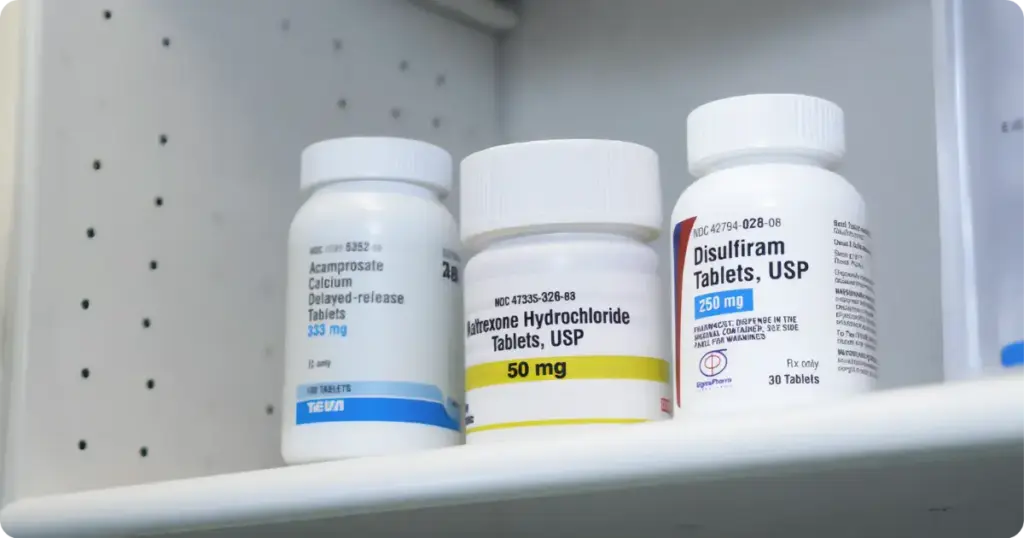
Three non-addictive medications are FDA-approved for alcohol use disorder and may be used alongside counseling and other recovery supports when medically appropriate.
Note: Medication decisions should always be made with a qualified prescriber after reviewing medical history, current medications, treatment goals, and contraindications.

Empty heading
Naltrexone
Helps reduce alcohol’s rewarding effects and can reduce cravings or heavy drinking; it can sometimes be started while a person is still drinking.
Important cautions: it should not be used when someone is currently dependent on or taking opioid medications, and liver health should be reviewed before treatment.
Acamprosate
Helps support continued abstinence after alcohol withdrawal by reducing some of the discomfort associated with prolonged abstinence. It is generally started after a person has stopped drinking.
Important caution: severe renal impairment is a contraindication and kidney function should be considered before prescribing.
Disulfiram
Discourages drinking by producing an unpleasant physical reaction if alcohol is consumed and is most appropriate for people whose goal is complete abstinence.
Important cautions: alcohol must be avoided, including alcohol hidden in some products, and the medication is not appropriate for certain people with severe heart disease, severe liver disease, or psychosis.
Dual Diagnosis – Treating Mind & Body
Alcohol problems frequently occur alongside depression, anxiety, trauma-related disorders, bipolar disorder, and other behavioral health concerns. Integrated dual-diagnosis treatment addresses substance use and mental health needs together rather than treating them as unrelated conditions.
Clients may receive psychiatric evaluation, individual and group therapy, medication management, trauma-informed treatment, relapse-prevention planning, and coordinated continuing care based on their individual needs.

Dr. Ash Bhatt MD. MRO
Quintuple board-certified physician and certified medical review officer (AAMRO) with 15+ years of experience treating addiction and mental health conditions. Read More…
Willing to Travel?

Legacy Healing Center Los Angeles, CA
Alcohol Rehab Serving Communities Across New Jersey

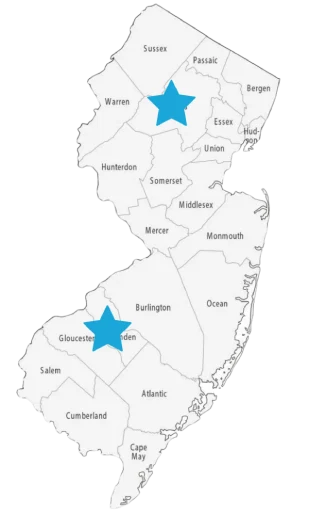
Legacy Healing Center provides alcohol and substance use treatment for adults from communities throughout New Jersey, including North, Central, and South Jersey. We serve clients from many of the state’s most populated counties, including Bergen, Middlesex, Essex, Hudson, Monmouth, Ocean, Union, Passaic, Morris, and Burlington counties, as well as surrounding areas.
Whether you are coming from Jersey City, Newark, Paterson, Elizabeth, Edison, Woodbridge, New Brunswick, Toms River, Lakewood, Morristown, or another New Jersey community, our admissions team can help you understand your treatment options, verify insurance benefits, and coordinate the next step in care. For clients traveling from farther away, we provide travel coordination at no cost.

Getting to Treatment in Parsippany

What to Bring to Detox or Treatment
- Same-day and next-day admissions: Ask admissions about the earliest available start; timing depends on clinical assessment, insurance verification, detox needs, and current availability.
- Driving and parking: The 300 Littleton Road building provides on-site surface and covered parking and is convenient to Routes 202, 80, 287, and 46.
- Public transportation: Parsippany Township’s transit schedule lists a stop at 300 Littleton Rd / Parsippany Blvd and Littleton Road. Regional NJ Transit bus and rail options also serve the surrounding area.
- Transportation support: Legacy Healing Center NJ offers transportation support when needed and can help coordinate treatment-related travel.
- Flexible IOP scheduling: The NJ IOP program advises prospective clients to ask about morning and evening groups, which may make treatment more compatible with employment, education, or parenting responsibilities.
Call 732-402-0352 to ask about today’s availability, insurance verification, transportation, or the appropriate level of care.

What to Bring to Detox or Treatment
Confirm the current packing rules with admissions before arriving.
- Government-issued photo ID
- Insurance card
- Current medication list and relevant medical records
- Emergency-contact information
- Employer or HR information if needed for leave paperwork
- Comfortable, appropriate clothing
- Exercise clothing and a sweatshirt or hoodie
- Unopened basic toiletries
- Recovery, inspirational, or self-help reading material
Legacy’s published packing guidance advises against bringing alcohol-containing products, weapons, over-the-counter medications without prior approval, or gaming consoles. Toiletry and medication rules can vary by placement, so verify the current policy before arrival.
Questions to Ask Any NJ Alcohol Rehab
Before choosing an alcohol rehab in New Jersey, ask these questions to understand the program’s clinical quality, level of support, costs, and what happens after treatment.
- Is the program appropriately licensed and accredited?
- Do you provide medical detox directly or coordinate it with another licensed provider?
- Which levels of care are actually available at this location?
- How many clinical hours per week does PHP, IOP, or outpatient treatment include?
- How do you determine when someone should step up or step down in care?
- Do you treat co-occurring mental health disorders?
- Can a qualified clinician prescribe FDA-approved medications for AUD when appropriate?
- Which insurance plans are in network or accepted, and can you provide a written estimate of my expected financial responsibility?
- What are the current visitation and family-therapy policies?
- What continuing-care, alumni, or relapse-prevention services are available after discharge?
You Deserve Exceptional Care
"*" indicates required fields
Your information is kept private
FAQs About Alcohol Rehab in New Jersey
What is alcohol use disorder (AUD)?
Does everyone with alcohol addiction need detox?
How long does alcohol detox take?
What levels of care are available at Legacy Healing Center NJ?
What happens after detox is complete?
Does Legacy Healing Center NJ offer flexible scheduling for IOP?
Are FDA-approved medications available for alcohol use disorder?
Does Legacy Healing Center NJ treat co-occurring mental health conditions?
What insurance does Legacy Healing Center NJ accept?
How quickly can I get into alcohol treatment at Legacy Healing Center NJ?
Same-day or next-day admission may be possible when an appropriate placement is available. Timing depends on the clinical assessment, whether medical detox is needed, insurance verification, and current program capacity, so calling admissions directly is the fastest way to determine today’s options.