Intensive Outpatient Program (IOP) - New Jersey











IOP in New Jersey at a Glance

- Typical length: 30–45 days
- Structured therapy: Provided daily
- Typical group size: 10–12 clients
- Medication-assisted treatment (MAT): Available
- Mental health treatment: Co-occurring conditions
- Accreditations: Golden Seal by Joint Commission
Intensive Outpatient Program (IOP) in New Jersey for Addiction & Dual Diagnosis Treatment
Legacy Healing Center’s Intensive Outpatient Program in New Jersey is led by Dr. Ash Bhatt, MD, FASAM, MRO and gives clients a structured path to recovery without stepping away from work, school, or family. Sessions run 9–15 hours per week across 3–5 days, so clients live at home or in sober living while attending treatment.
IOP is designed for people who need more accountability than weekly outpatient therapy but don’t require the full-day structure of PHP or 24/7 residential care.

What Is an Intensive Outpatient Program?
An IOP is a structured level of addiction and mental health treatment that combines group therapy, individual counseling, and psychiatric support without requiring clients to be at a facility all day. It sits between weekly outpatient therapy and full-day programs like PHP.
Key components of our IOP:
- Group therapy sessions
- Individual counseling
- Psychiatric support and medication management
- Skill-building workshops
- Relapse prevention planning
- Family involvement (when appropriate)
Is IOP Inpatient or Outpatient Treatment?
IOP is a non-residential level of care. Clients attend structured sessions several times a week but return home each day. The difference from standard outpatient therapy is intensity, outpatient may involve one appointment a week, while IOP provides multiple structured sessions.
Who Is a Good Candidate for IOP?
IOP works well for people who need structured treatment but can safely manage daily responsibilities outside of it. This level of care is often a strong fit if you are:
- Living in a stable home or sober living environment
- Balancing work, school, or family responsibilities
- Transitioning from Partial Hospitalization Program (PHP) or residential care
- Seeking more structure than weekly outpatient therapy provides
- Re-engaging with treatment after a relapse
How We Determine the Right Level of Care
Our clinical team evaluates symptom severity, safety, home stability, and your ability to manage responsibilities like work or caregiving before recommending IOP over PHP or outpatient therapy. If an assessment shows you need more structure, our team will walk you through the next step rather than placing you in a program that isn’t the right fit.
When a Higher Level of Care May Be Needed
IOP isn’t the safest starting point for everyone. Someone in active withdrawal, medically unstable, or experiencing severe psychiatric symptoms that require close supervision may need detox, residential, or PHP first. Our assessment is built to catch this before treatment begins, not after.
IOP vs. PHP vs. Outpatient Therapy
Partial Hospitalization Program (PHP)
Full-Day Structure
20–30 hours per week, daytime program, return home evenings.
Living: At home or in sober living
Intensive Outpatient Program (IOP)
Structure That Fits Your Week
9–15 hours per week across 3–5 days, day or evening scheduling.
Living: At home or in sober living
Outpatient Therapy
Ongoing, Lower-Intensity Support
1–2 hours per week, office visits.
Living: At home
“For many clients, IOP offers the right balance – more structure than outpatient therapy, without the time demands of a full-day program.”
Not sure where you fit? Call 732-402-0352 for a confidential level-of-care assessment.
What to Expect in Our New Jersey IOP
Our Intensive Outpatient Program is built around a simple idea: meaningful treatment should fit into real life, without losing depth, accountability, or clinical excellence.
Schedule
Sessions run 9–15 hours per week across 3–5 days, with scheduling built to work around jobs, school, and family obligations.
Duration
Group Therapy
Small groups keep sessions personal, with room for real participation and clinician attention.
Individual Support
What Does a Typical Week in IOP Look Like?
No two treatment plans look identical, but a typical week includes a mix of group therapy sessions built around specific themes (relapse prevention, coping skills, emotional regulation), at least one individual therapy check-in, and psychiatric or medication management appointments when they’re part of your plan. Sessions are scheduled in blocks, commonly mornings, afternoons, or evenings, so you can plan work or school around them rather than the other way around.
Between sessions, clients are expected to apply what comes up in group and individual work to their actual week: managing a trigger at home, handling a stressful shift at work, navigating a family conversation. That’s the point of IOP, it treats real life as part of the program, not a break from it.
What Happens on Your First Day of IOP?
Your first day starts with intake and orientation: reviewing your treatment plan, meeting your therapist and care team, and understanding your weekly schedule. You’ll join a group session on day one so you’re not easing in slowly, the structure starts immediately, and questions about logistics, insurance, or scheduling get addressed before you leave.
Bring: A government-issued ID, a current list of medications, and anything your admissions coordinator flags as part of your specific intake.
Still Deciding Between Inpatient, PHP, or IOP?
Our clinicians can help determine the safest and most effective next step.
A Thoughtfully Structured Intensive Outpatient Experience
Our Intensive Outpatient Program is built around a simple idea: meaningful treatment should fit into real life, without losing depth, accountability, or clinical excellence.
Care is structured, intentional, and personalized from the start, with expert guidance at every step.

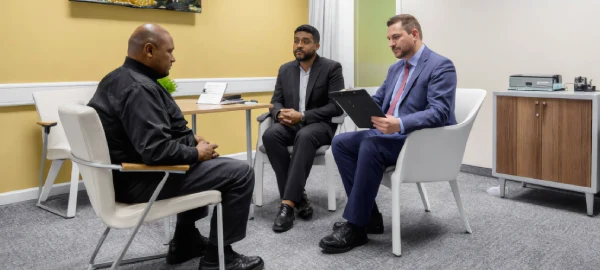
Therapy That Goes Beyond Talk

Integrated Psychiatric Support

Real-World Recovery Tools

Whole-Person Healing

Connection Without Dependence

What's included in Legacy Healing Center's IOP
Detox & Stabilization
Individual Therapy
Group Therapy
Psychiatric Care & Medication Management
Evidence-Based Therapies
Relapse Prevention & Aftercare Planning
Life Skills & Recovery Planning
Recovery happens in real life, not just in sessions. We help you develop practical tools for managing stress, relationships, work, and daily responsibilities while maintaining structure and accountability between appointments.
Family & Relationship Support
Addiction and Mental Health Conditions We Treat at the IOP Level
Not every diagnosis or severity level is appropriate for IOP; that’s part of what the assessment is for. Here’s how we think about fit within each category.
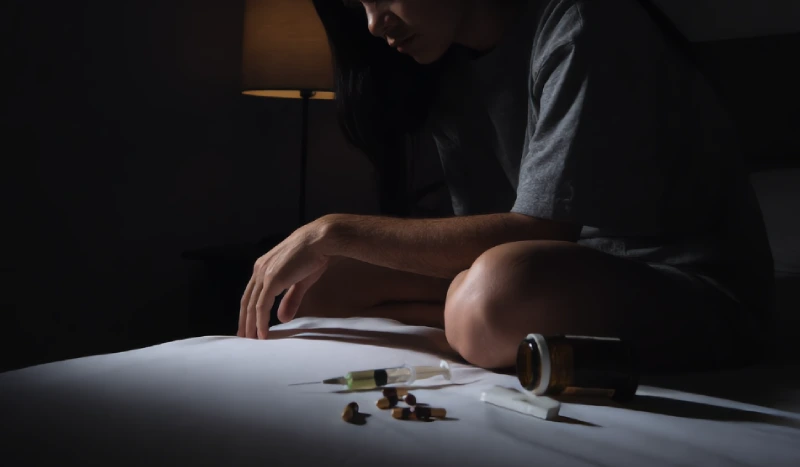
IOP is generally appropriate once someone is medically stable and no longer needs supervised withdrawal management. Our clinical team works with clients managing alcohol use disorder and substance use involving opioids, benzodiazepines including Xanax, stimulants, prescription medications, and other drugs. For substances with significant withdrawal risk, alcohol, benzodiazepines, opioids, we confirm detox is complete or unnecessary before starting IOP, since the program isn’t structured for supervised withdrawal.
Mental Health Treatment

IOP treats mental health conditions on their own or alongside substance use, provided symptoms don’t require the closer supervision PHP or residential care offers. Conditions commonly addressed at this level include depression, anxiety disorders, PTSD and trauma-related symptoms, and stabilized bipolar disorder. Clients experiencing acute psychiatric symptoms, active suicidal ideation, or a need for daily monitoring are typically better matched to PHP first, with IOP as the step-down once they’re stabilized.
Co-Occurring Disorders

Most clients in IOP are managing both a substance use and a mental health diagnosis at once, and treating only one side tends to leave the other untreated risk in place. Our therapists and psychiatric providers coordinate care so both are addressed in the same treatment plan rather than as separate, disconnected issues.
Where Do Clients Live While Attending IOP?
Because IOP doesn’t require an overnight stay, clients need a stable place to live while attending treatment, typically home or sober living. Most clients return to their own home each day. For those who don’t have a stable home environment to go back to, or whose home environment isn’t supportive of early recovery, Legacy Healing Center offers sober living homes as a transitional housing option, clients live in a substance-free, structured environment with others in recovery while attending IOP sessions during the day.
We factor housing stability into your intake assessment, since the environment you return to each day directly affects safety and progress. If home isn’t the right fit right now, sober living is discussed as part of that conversation, not treated as an afterthought.
Can I Work or Go to School During IOP?
Yes, this is the level of care built for it. With 9–15 hours spread across 3–5 days, most clients keep working, attending school, or managing family responsibilities while in treatment. Scheduling is discussed during intake to fit your actual week.
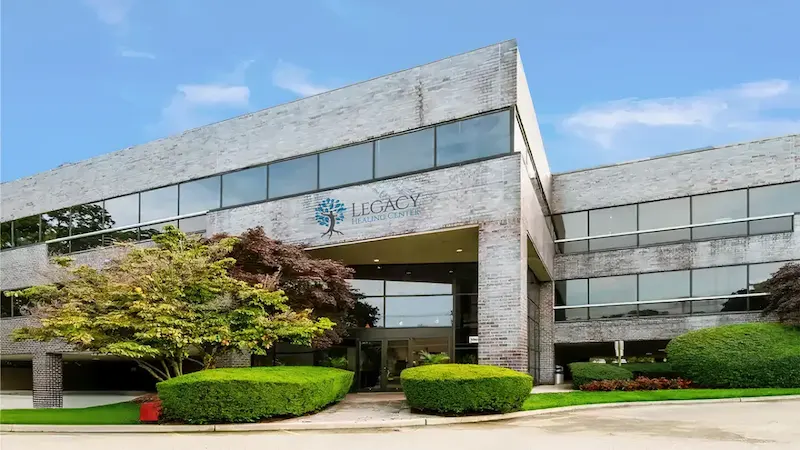
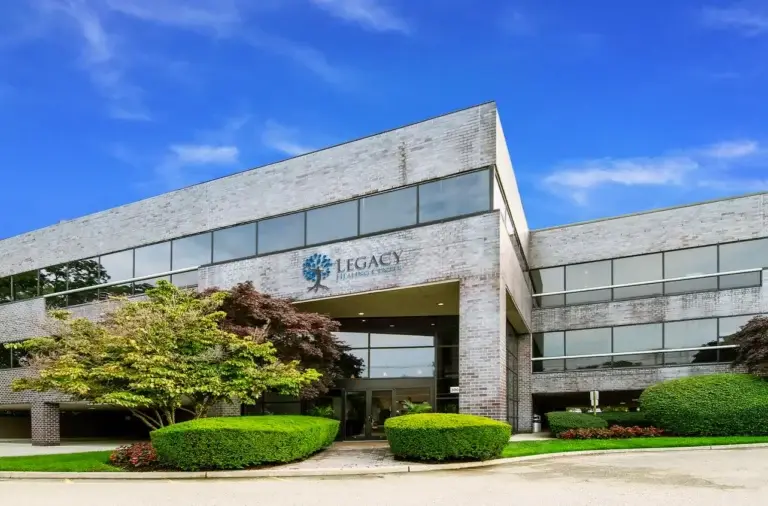
Our IOP Treatment Center in Parsippany, New Jersey
Legacy Healing Center’s Intensive Outpatient Program is offered at our North Jersey treatment center at:
300 Littleton Road, Suite 200
Parsippany, NJ 07054
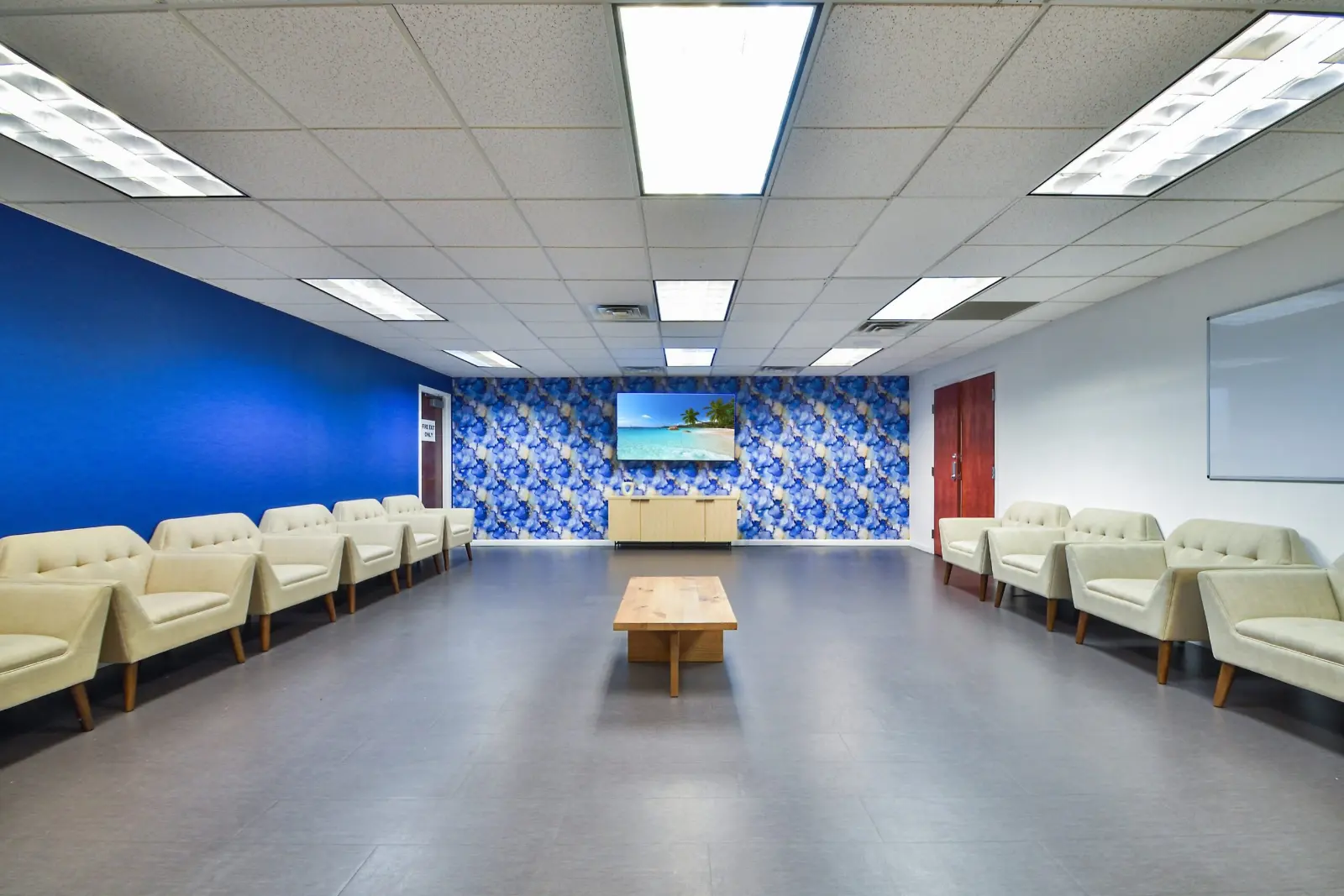
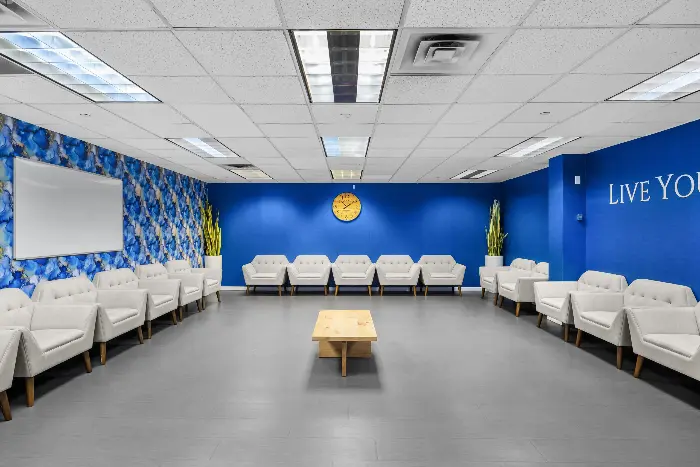
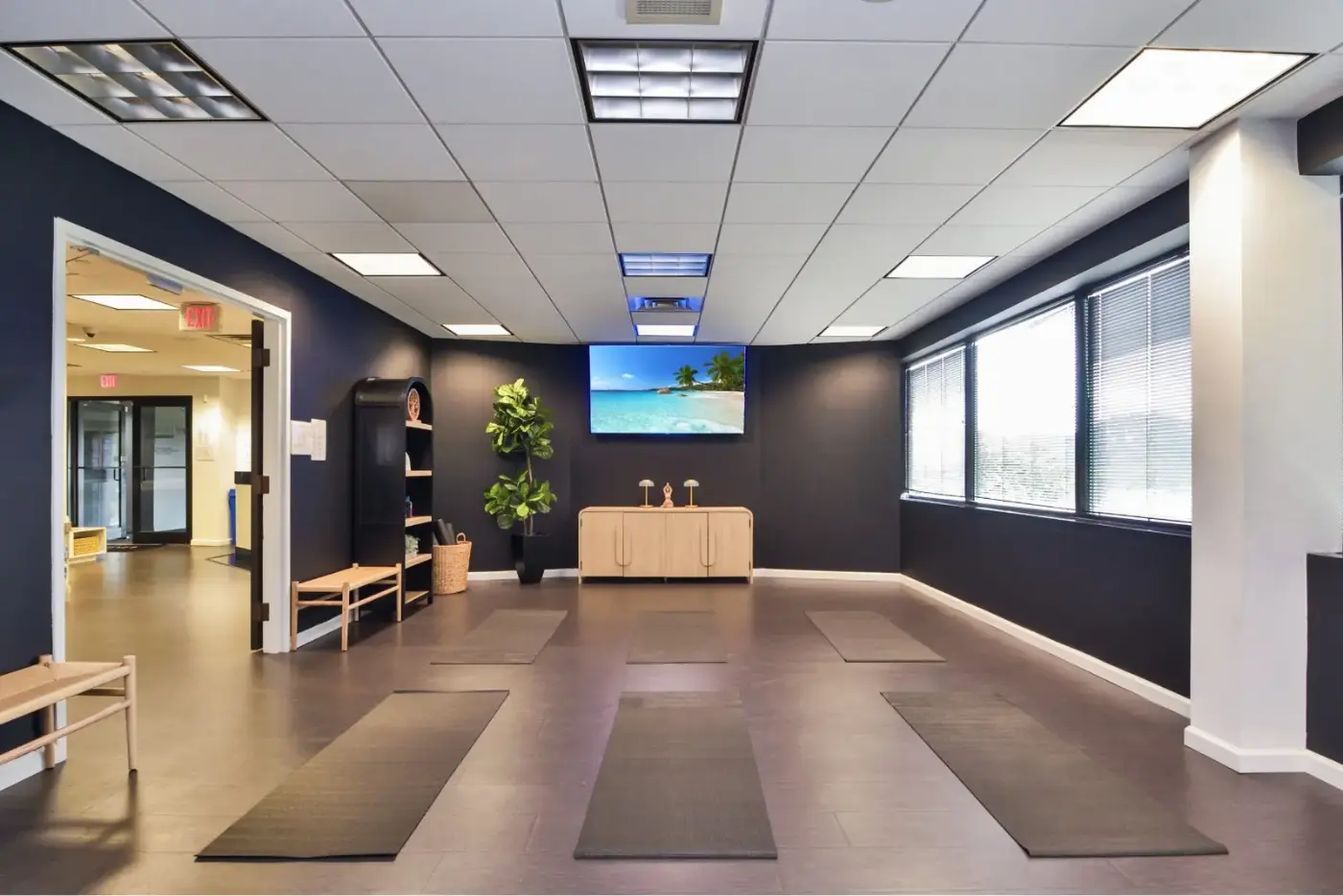
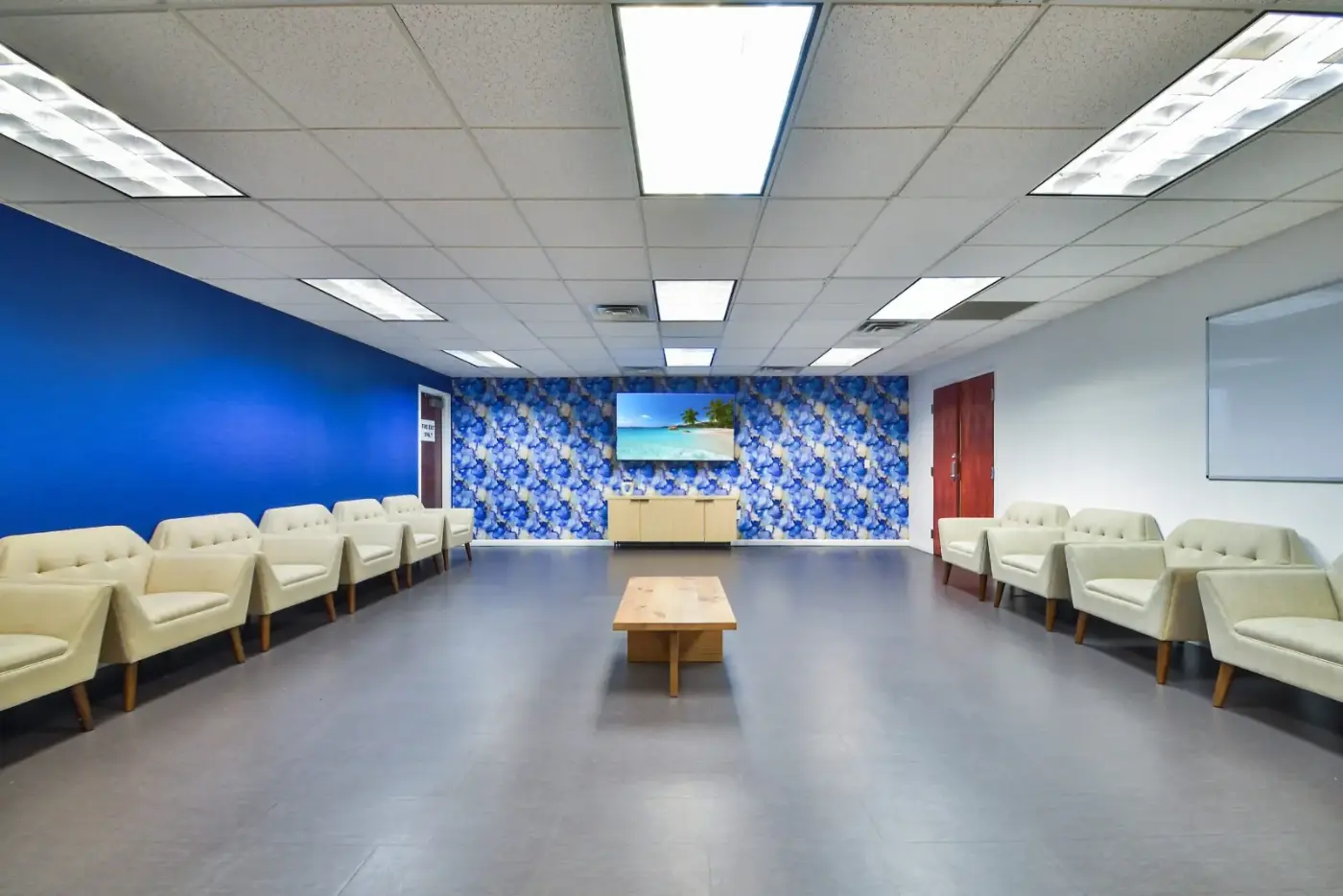
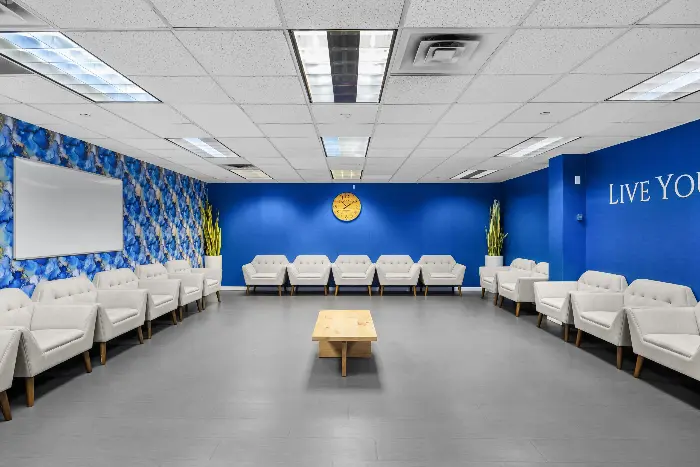
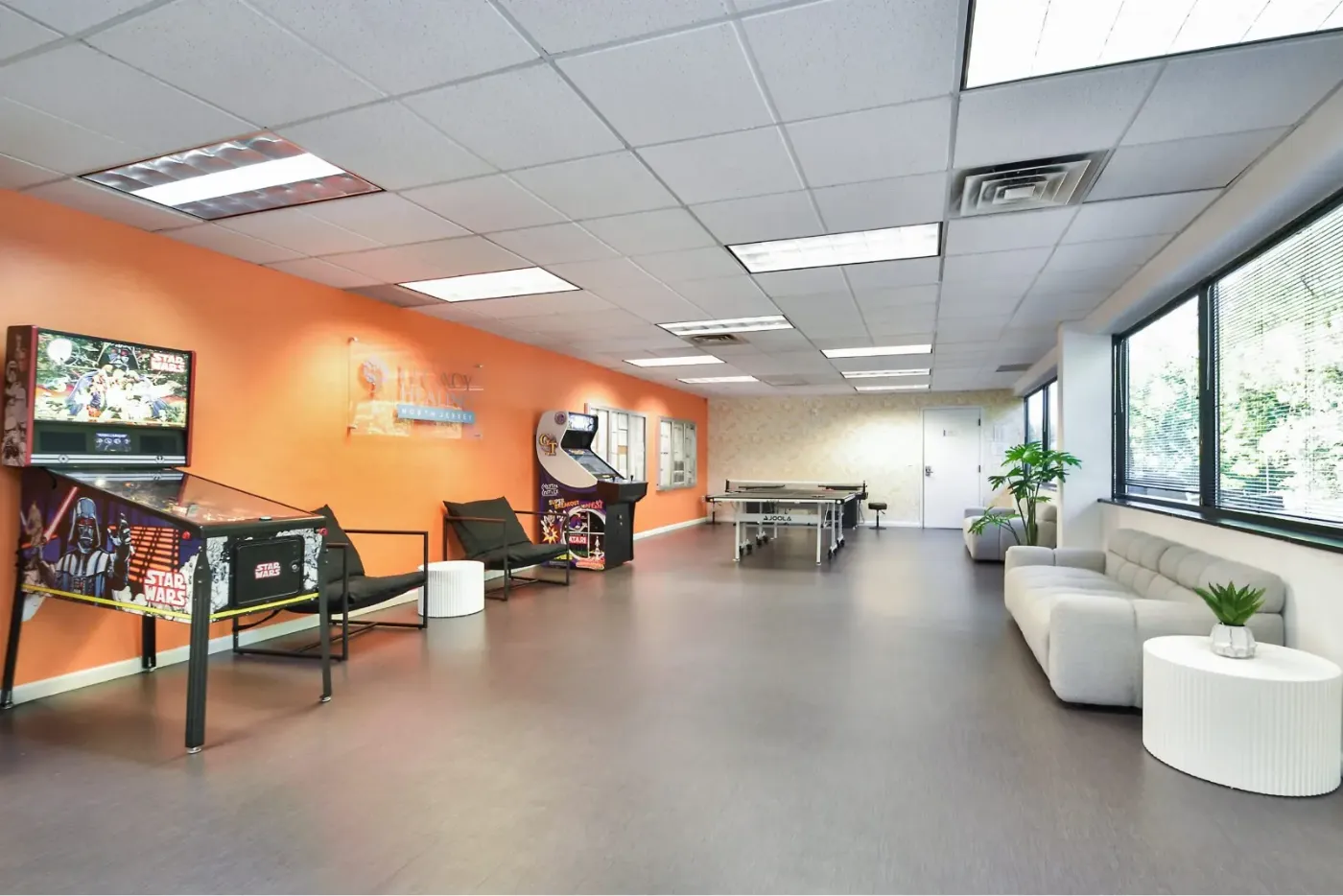
The Parsippany location provides access to structured behavioral health treatment for clients from Morris County and communities throughout North and Central New Jersey. Our goal is a treatment environment that feels private, comfortable, and intentionally designed for the work clients are doing between sessions, not a clinical waiting room.
Accessible Intensive Outpatient Care Across New Jersey
Legacy Healing Center offers Intensive Outpatient care throughout New Jersey, supporting both local and traveling clients.
Our programs are easily accessible from:
- South Jersey: Camden, Mount Laurel, Cherry Hill
- North Jersey: Morristown, Parsippany, Edison
- Metro Areas: Greater Philadelphia and NYC suburbs
Convenient access by car, train, and major highways makes it easier to stay consistent in treatment without uprooting your life.
For clients comparing care options across the state, our team can explain how IOP support near Newark, intensive outpatient care near Elizabeth, and structured outpatient treatment near Trenton may fit into a broader recovery plan after a confidential assessment.









Licensed and Accredited Care
Legacy Healing Center’s New Jersey program operates under applicable New Jersey behavioral health licensure requirements and is accredited by The Joint Commission.
Medical and clinical review:
Dr. Ash Bhatt, MD, MRO, FASAM – Chief Medical Officer
Phyllis Rodriguez, PMHNP-BC – Psychiatric-Mental Health Nurse Practitioner
Does Insurance Cover IOP in New Jersey?
Most major insurance plans include behavioral health benefits, though coverage for IOP depends on your specific plan, medical necessity requirements, network status, and authorization rules. Legacy Healing Center works with plans from insurers including Aetna, Anthem, Carelon Behavioral Health, NYSHIP, and TRICARE. Coverage varies by individual policy. Self-pay options are also available.
What Happens When You Verify Your Benefits?
Our admissions team reviews your available behavioral health benefits and explains what we can determine about coverage before treatment begins, eligibility, deductible status, copays or coinsurance, and authorization requirements. Verifying benefits doesn’t obligate you to enter treatment.
What If I Don’t Have Insurance Coverage?
If your plan doesn’t cover IOP, or you’d prefer not to use insurance, self-pay is available. IOP costs vary widely by program length, weekly hours, and the level of clinical support included, and pricing across the industry generally runs from a few thousand dollars for a shorter course to a low five-figure total for a longer, more intensive one. Rather than quote a number that may not reflect your specific plan, our admissions team can walk through actual self-pay pricing and any available payment options once they understand your situation.
Not sure what your options are? Ask about self-pay and payment plans when you call, you don’t need insurance to start the conversation.
Start Your Personalized Intensive Outpatient Plan Today
If you or someone you love is struggling, Legacy Healing Center New Jersey is here to help. Our admissions team will guide you through everything, from confidential assessments to insurance verification and program placement.
What Happens After IOP?

Ongoing Psychiatric & Medication Management

Alumni Support & Community

Build a Long-Term Recovery Plan