
Cannabis and Marijuana Addiction Treatment in New Jersey


August 11, 2026
Cannabis Addiction: Signs, Treatment Options, Risks
-
 Written By:
Alex Herrera
Written By:
Alex Herrera
-
 Edited By:
Phyllis Rodriguez, PMHNP-BC
Edited By:
Phyllis Rodriguez, PMHNP-BC
-
 Clinically Reviewed By:
Dr. Ash Bhatt, MD, MRO
Clinically Reviewed By:
Dr. Ash Bhatt, MD, MRO
Summary: Cannabis dependence can develop quietly, eroding focus, motivation, and emotional balance. Normalized use often masks hidden reliance. Legacy Healing Center NJ offers discreet, evidence-based care to restore clarity, stability, and long-term wellness.
Table of Contents
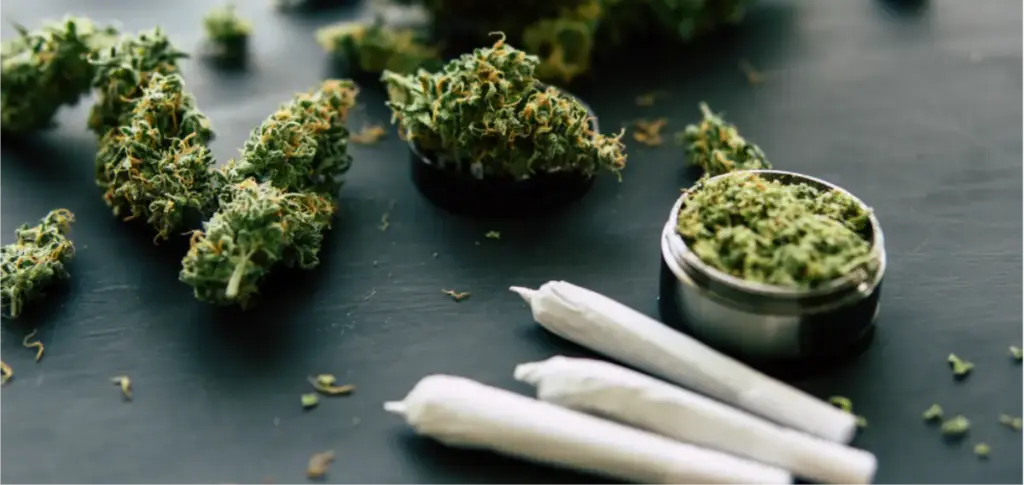
When Normalized Marijuana Use Masks A Hidden Reliance
Cannabis use is often dismissed as harmless, yet for many, dependence unfolds quietly, gradually eroding health, motivation, relationships, and professional stability. What may begin as a means of relaxation or sleep support can evolve into a persistent reliance that obscures clarity, diminishes performance, and disrupts balance.
For individuals who lead high-functioning, demanding lives, this dependency may be especially difficult to recognize. The normalization of cannabis use in social and professional settings can blur the line between casual use and harmful patterns. Left unaddressed, the cycle of reliance deepens, making it harder to regain control without discreet, compassionate intervention.
At Legacy Healing Center New Jersey, we understand the subtle but significant impact cannabis addiction can have. Our programs are designed to restore agency, stability, and peace of mind in an environment that safeguards privacy, respects dignity, and upholds the highest clinical standards.
Why Cannabis Addiction Requires Specialized Care
Cannabis affects the brain and body differently than alcohol, opioids, or stimulants. Its effects are slower to reveal themselves, but dependency can become no less disruptive. Effective recovery requires tailored treatment that addresses both the psychological patterns of reliance and the lifestyle structures that reinforce use.
Distinctive Challenges in Cannabis Recovery
- Psychological Dependence: Daily reliance for stress relief, sleep, or productivity creates strong behavioral reinforcement.
- Cognitive Impairment: Memory lapses, diminished focus, and reduced motivation can disrupt career and academic goals.
- Emotional Regulation: Withdrawal may bring irritability, restlessness, anxiety, or depressive symptoms.
- Polysubstance Overlap: Cannabis is often combined with alcohol or other substances, complicating detox and recovery.
- Lifestyle Normalization: Widespread social acceptance can obscure harmful patterns until consequences become undeniable.
- Confidentiality Needs: For professionals and public figures, safeguarding privacy is essential to seeking care.
How Cannabis Dependency Develops
Unlike other substances, cannabis dependency often progresses quietly. What begins as casual use can slowly evolve into a cycle of habitual reliance, with symptoms intensifying over time.
The Progression of Cannabis Dependency
Experimental or Social Use | Cannabis may first appear in social or professional contexts, valued for its calming or sleep-enhancing effects, often without immediate concern. |
Developing Patterns | Use becomes more frequent, linked to specific triggers such as stress, fatigue, or high-pressure environments. Cravings may begin to surface outside those contexts. |
Rising Dependence | Daily or near-daily use becomes normalized. Emotional crashes or irritability when cannabis is unavailable intensify reliance. Productivity, clarity, and mood are increasingly affected. |
Compulsive Involvement | Use continues despite growing recognition of health, personal, or professional consequences. A powerful psychological drive emerges, making it difficult to resist the urge. |
This progression underscores the importance of timely recognition and specialized care designed to restore control before reliance deepens further.
Recognizing the Warning Signs of Cannabis Addiction
Because cannabis’s effects can be subtle, the warning signs of dependency may emerge gradually. They often appear as shifts in mood, energy, or behavior that escalate into patterns harder to ignore.
Physical Signs | Behavioral Patterns | Psychological Changes |
Persistent cough, throat irritation, or frequent respiratory infections | Growing secrecy or withdrawal from responsibilities | Heightened anxiety, irritability, or paranoia between uses |
Noticeable changes in sleep cycles or chronic fatigue | Decline in productivity, work performance, or academic focus | Cravings that overshadow other priorities |
Red eyes, dry mouth, or diminished physical stamina | Erratic spending or financial strain tied to frequent use | Dependence on cannabis to regulate mood, sleep, or stress |
Prioritizing cannabis over professional or social commitments | Loss of motivation or diminished drive toward long-term goals |
When these signs begin to align, it is time to seek specialized care that addresses both the psychological pull of cannabis and the lifestyle challenges that complicate recovery.
An Integrated Model for Cannabis Recovery
Lasting recovery from cannabis addiction requires more than willpower alone. At Legacy Healing Center New Jersey, we combine clinical expertise, evidence-based therapies, and holistic care within a discreet, supportive environment. This integrated approach ensures recovery is not only achievable but sustainable.
Comprehensive Treatment Framework
Medical & Clinical Oversight | Support during withdrawal, safety monitoring, psychiatric evaluation | Coordinated detox placement, symptom management, mental health integration |
Evidence-Based Therapies | Addressing thought patterns, motivation, and behavioral reinforcement | Cognitive Behavioral Therapy (CBT), Motivational Interviewing, mindfulness-based relapse prevention |
Holistic & Lifestyle Support | Restoring balance, resilience, and repairing relationships | Nutrition, fitness, mindfulness, family therapy, reintegration planning for work and life |
Continuing Care | Structured support that evolves with recovery | PHP, IOP, OP programs, alumni network, relapse prevention strategies |
Placement Services | Immersive treatment options when needed | Coordination with trusted residential programs meeting Legacy’s standards of discretion and clinical quality |
Marijuana and Cannabis Addiction Treatment Programs in New Jersey
Choosing the right environment for recovery is one of the most important decisions you can make. At Legacy Healing Center New Jersey, every pathway is designed with discretion, safety, and continuity of care in mind.
- Residential Placement Services: For those requiring immersive support, we coordinate placements with carefully selected residential programs that provide structured therapy, mental health support, and restorative environments.
- Partial Hospitalization Program (PHP): PHP offers the structure of residential care with the flexibility of returning home in the evenings. Days include therapy, group sessions, medication oversight, and wellness practices.
- Intensive Outpatient Program (IOP): IOP balances robust clinical engagement with flexibility for personal and professional commitments. Clients participate in individualized therapy, group sessions, and supportive wellness services several days per week.
- Outpatient Program (OP): For those ready to live more independently, OP provides continued therapeutic support, relapse prevention, and accountability while accommodating daily responsibilities.
- Alumni Support: Recovery extends beyond formal treatment. Our alumni program fosters lasting connection through confidential peer support, ongoing check-ins, and exclusive wellness events.
Restoring Clarity and Balance Beyond Cannabis
Recovery from cannabis addiction is not only possible—it can begin the moment you reach for support. With the right care, dependence gives way to clarity, balance, and the confidence to move forward.
Cannabis Use Disorder responds best to outpatient-level care — most clients do not require residential placement. At Legacy Healing Center New Jersey, our outpatient addiction treatment in New Jersey is specifically structured for CUD recovery, combining motivational interviewing to address ambivalence about quitting with CBT to break the avoidance patterns cannabis is commonly used to mask. Because CUD frequently co-occurs with anxiety, depression, or ADHD, every client receives a dual diagnosis treatment before treatment begins. Our team serves individuals and families across Parsippany, Camden County, Trenton, Edison, Morris County, and nearby New Jersey communities.
Call us at (732) 402-0352 or verify your insurance online. Each conversation is confidential. The opportunity to reclaim health, restore clarity, and rebuild balance is already within reach.
📞 Call Now: (732) 402-0352 | Contact Us | Admissions | Verify Insurance
Table of Contents
How Much is Rehab?
How Long Will it Take?
You Deserve Exceptional Care
Let our team handle the details so you can focus on healing. We accept most major insurance plans and payment methods—reach out anytime for instant coverage verification.
"*" indicates required fields
Your information is kept private
Frequently Asked
Cannabis Addiction Treatment FAQs
Is cannabis addiction treatable?
Yes. A confidential assessment can identify how cannabis use affects daily life and whether outpatient care, dual diagnosis support, or another level of care is appropriate. Treatment can combine behavioral therapies, coping-skill development, relapse-prevention planning, and ongoing support.
Do people go to rehab for marijuana addiction?
Some people benefit from structured addiction treatment when cannabis use continues despite consequences, stopping is difficult, or anxiety, depression, trauma, or other substance use is also present. The appropriate level of care should be based on an individualized clinical assessment.
What treatments help with cannabis use disorder?
Evidence-based care may include cognitive behavioral therapy, motivational interviewing, mindfulness-based relapse prevention, family support, and treatment for co-occurring mental health concerns. A clinician can recommend the right combination after an assessment.
How can I start marijuana addiction treatment in New Jersey?
Contact Legacy Healing Center New Jersey for a confidential admissions conversation. The team can discuss symptoms, treatment options, and private insurance verification, then explain an appropriate next step.
About The Contributors


Alex Herrera is the Director of Performance Improvement at Legacy Healing Center and a Licensed Marriage and Family Therapist with over 11 years of experience in addiction treatment and co-occurring mental health care. With a strong clinical foundation and extensive leadership background, she specializes in systemic and relational approaches that support individuals and families through

Phyllis Rodriguez, PMHNP-BC
Psychiatric-Mental Health Advanced Practice Registered Nurse
Phyllis Rodriguez is a board-certified Psychiatric Mental Health Nurse Practitioner (PMHNP-BC) with a strong commitment

Dr. Ash Bhatt, MD, MRO
Chief Medical Officer
Dr. Ash Bhatt, MD, MRO is a quintuple board-certified physician and certified medical review officer