Full-day addiction treatment five days per week for adults who need more structure than traditional outpatient care without overnight stays.










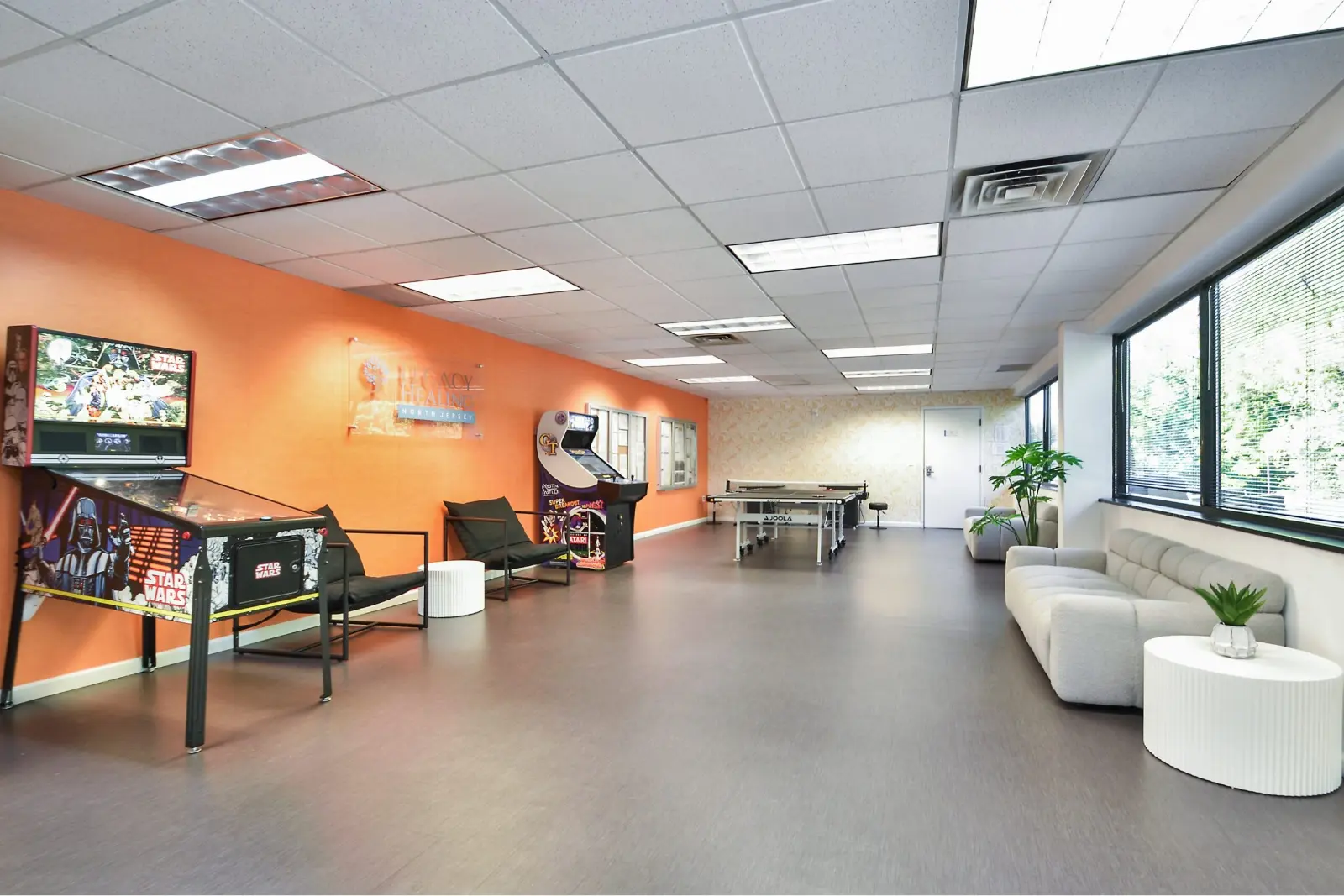

Legacy Healing Center’s Partial Hospitalization Program in New Jersey is led by Dr. Ash Bhatt, MD, FASAM, MRO and provides an award-winning PHP program that allows participants to receive intensive care while living at home or in supportive sober housing. Our program combines structured therapy, psychiatric support, relapse-prevention services, and individualized treatment five days per week while clients live at home or in an appropriate supportive living environment.
Partial Hospitalization Programs are designed for people who need more support than outpatient, but don’t require 24/7 inpatient care.

A partial hospitalization program provides intensive, structured treatment during the day while allowing clients to return home or to a supportive living environment in the evening. PHP offers considerably more support than traditional outpatient treatment and can serve as either a step down from residential care or a step up when outpatient treatment alone is not providing enough structure.
At Legacy Healing Center in New Jersey, PHP is designed to provide substantial clinical support without removing clients completely from everyday life. Treatment addresses the symptoms that brought someone into care while also helping them build the coping skills, stability, relationships, and daily routines needed outside of treatment.
PHP is a non-residential level of care. Clients participate in structured treatment during the day but do not sleep at the treatment center as they would in a residential program. The difference is intensity. Traditional outpatient treatment may involve only a few clinical appointments each week, while PHP provides several hours of programming throughout the treatment day.
PHP is often described as day treatment because clients receive intensive care during the day and leave afterward. You may also encounter terms such as partial care when researching behavioral health programs in New Jersey. The terminology used by providers and insurance companies can vary, which is why the most important consideration is not the label alone. A clinical assessment should determine the level of structure, supervision, and treatment that is appropriate for your needs.


PHP may be appropriate when someone is medically stable enough to live outside a 24-hour treatment setting but still needs substantial structure and clinical support. PHP can also be an appropriate starting point for some clients. Completing residential treatment first is not always required.
A person may benefit from PHP when they are:
Choosing between detox, residential treatment, PHP, IOP, and outpatient care requires more than counting symptoms. Our clinical team evaluates the whole situation, including the severity of current symptoms, safety concerns, substance use, psychiatric needs, previous treatment, stability of the home environment, and a person’s ability to manage responsibilities such as work, school, or caring for family.
If an assessment indicates that PHP does not provide enough support, or provides more structure than is clinically necessary, our team will explain the recommendation and help identify a more appropriate next step.
PHP is not the safest starting point for everyone. A clinical assessment helps determine whether PHP can safely meet an individual’s needs. Someone experiencing significant withdrawal, acute medical instability, severe psychiatric symptoms requiring around-the-clock supervision, or another immediate safety concern may need detoxification, inpatient, residential, or emergency care before beginning PHP.
One of the most common questions we are asked is how PHP differs from other levels of addiction and behavioral health treatment.
Structured Care Without Overnight Stay
Partial hospitalization provides intensive daytime treatment without requiring clients to remain in a residential treatment setting overnight. At Legacy Healing Center in Parsippany, PHP programming operates Monday through Saturday from 9:00 a.m. to 3:30 p.m.
Living: At home or in sober living
Highest Level of Structure
Residential treatment provides a highly structured environment in which clients live at the treatment facility or residential setting and receive support around the clock. It may be appropriate when someone needs greater separation from their everyday environment, increased supervision, or a higher degree of stabilization.
Living: On-site at the facility
Greater Flexibility, Continued Support
Intensive outpatient treatment (IOP) provides structured clinical care with a lower weekly time commitment than PHP. It is generally intended for individuals who are stable enough to manage more of their daily lives independently while continuing to receive meaningful therapeutic support.
Living: At home or in sober living
Yes, when PHP is determined to be a clinically appropriate level of care. Some clients enter PHP after completing detox or residential treatment, while others begin treatment at the PHP level based on their symptoms, safety, home environment, and clinical assessment. There is no single treatment sequence that is right for everyone.
Still deciding between residential treatment, PHP, or IOP? Speak with an admissions specialist who can help you understand the differences.
Our Partial Hospitalization Program provides a full day of structured, therapeutic care, 5 days a week, designed to support healing while allowing you to remain connected to daily life.
Our Partial Hospitalization Program (PHP) provides the consistency and accountability of a highly structured treatment schedule while remaining responsive to each client’s individual needs. Programming at our Parsippany location runs Monday through Saturday from 9:00 a.m. to 3:30 p.m.
A typical course of PHP lasts approximately 30 to 45 days, giving clients time to stabilize, build new skills, and make meaningful progress in treatment. Length of stay is individualized based on clinical needs and progress rather than determined by a fixed timeline.
Group therapy is a central part of the PHP experience, with groups typically limited to 10 to 12 clients. This size allows for meaningful participation, peer connection, and personalized attention from the clinician leading the group.
In addition to daily programming and group therapy, clients typically meet one-on-one with a therapist once each week. Psychiatric care, medication management, and other clinical services are incorporated as needed based on each client’s treatment plan.
Private sessions with a licensed therapist focused on underlying causes, emotional regulation, and measurable progress throughout treatment.
Therapist-led groups designed to build insight, strengthen coping skills, and create a sense of shared momentum in a safe, supportive environment.
Education on addiction science, triggers, boundaries, and relapse prevention strategies that can be applied immediately outside of treatment hours.
Support in communication, goal-setting, time management, and stress regulation to help patients transition confidently back into work, school, or family life.
Ongoing psychiatric evaluation and medication oversight for individuals managing anxiety, depression, trauma, or other co-occurring conditions.
Therapeutic involvement of loved ones to strengthen communication, rebuild trust, and support long-term recovery outcomes.
Mindfulness practices, wellness education, and other complementary therapies integrated when clinically appropriate to support balance and resilience.
No two treatment plans are exactly alike, but each day is designed to balance therapeutic work, skill development, clinical support, and practical preparation for life outside the treatment center. A treatment day may include a clinical check-in, therapist-led process groups, cognitive and behavioral therapy, trauma-focused work, relapse-prevention education, individual clinical appointments, medication or psychiatric services when scheduled, life-skills development, and an end-of-day review.
The goal is not simply to keep clients occupied for several hours. Each component of the day should contribute to the objectives established in the client’s individualized treatment plan.
The first day is designed to help clients understand the program, meet the people involved in their care, and begin treatment without being left wondering what happens next.
Clients complete intake and orientation, receive introductions to the clinical team, review their immediate treatment goals, and begin participating in group therapy. The day concludes with a wrap-up and an opportunity to ask questions about the program, schedule, expectations, or next steps.
Clients should bring:
A government-issued ID, a current list of medications, a notebook and pen, and comfortable clothing appropriate for a full day of treatment.
Our clinicians can help determine the safest and most effective next step.
Treatment is individualized, but our PHP draws from multiple evidence-based and trauma-focused approaches to address the clinical needs identified during assessment.
Clients typically participate in one individual therapy session per week while in PHP.
Individual sessions give clients an opportunity to work privately with a therapist on issues that may not be appropriate or possible to fully address in a group setting. Treatment may explore substance use, mental health symptoms, trauma, relationships, behavioral patterns, relapse risks, emotional regulation, and the goals identified in the client’s treatment plan.
Group therapy is a major part of PHP because recovery does not happen solely through insight—it also requires practice, feedback, communication, and connection. Legacy’s PHP groups typically include approximately 10 to 12 clients, creating an environment small enough for meaningful participation while allowing clients to learn from the experiences and perspectives of others.
Groups may focus on emotional regulation, relationships, coping skills, trauma, relapse prevention, mental health symptoms, communication, accountability, and building healthier patterns of thought and behavior.
Not every therapy is appropriate for every client. Treatment modalities are selected based on assessment, clinical judgment, treatment goals, and individual response. Depending on clinical needs, treatment at Legacy Healing Center may incorporate approaches including:
Psychiatric support is available for clients whose treatment plans require it. The frequency of psychiatric appointments varies based on diagnosis, symptoms, medication needs, clinical stability, and response to treatment.
Medication management can be coordinated as part of the broader treatment plan rather than treating psychiatric symptoms and behavioral health needs as completely separate issues.
Medication-assisted treatment, or MAT, is available during PHP when clinically appropriate.
MAT combines medication with behavioral health treatment and can be incorporated into a larger recovery plan for certain substance use disorders. Whether medication is appropriate, which medication is considered, and how it is monitored are clinical decisions made for the individual rather than a standard requirement for everyone in PHP.
For clients receiving addiction treatment, understanding relapse risk is an important part of learning how to maintain recovery outside a structured treatment environment.
Programming helps clients identify triggers, recognize early warning signs, understand patterns that have contributed to previous substance use, develop coping strategies, and create practical plans for responding to high-risk situations.
Treatment needs to work outside the therapy room.
PHP can help clients strengthen routines, communication, decision-making, boundaries, stress management, accountability, and other practical skills that support greater stability after treatment.
Addiction and serious mental health concerns often affect more than one person. When clinically appropriate, treatment can include work focused on family dynamics, relationships, communication, boundaries, and the ways a client’s support system can contribute to long-term stability.


Our clinical team works with individuals struggling with alcohol and a broad range of drugs, including opioids, benzodiazepines, stimulants, prescription medications, and other substances.
This includes problems involving substances such as fentanyl, heroin, oxycodone, Percocet, Vicodin, tramadol, methadone, Xanax and other benzodiazepines, cocaine, crack cocaine, methamphetamine, prescription amphetamines such as Adderall, ecstasy, ketamine, and other prescription or illicit drugs. Treatment is based on the substance involved, pattern and severity of use, medical and psychiatric considerations, previous withdrawal or treatment history, relapse risk, and the individual’s broader clinical needs.

PHP is also available for individuals whose primary reason for seeking treatment is a mental health condition, as well as people experiencing mental health symptoms alongside substance use. A diagnosis alone does not determine the appropriate level of care. Admission decisions take into account symptoms, functioning, safety, medical needs, home environment, and whether the program can safely and effectively meet the person’s needs.
Conditions within the program’s scope include:
Depression • Anxiety disorders • PTSD and trauma-related symptoms • Bipolar disorder • OCD • Thought disorders • Psychotic disorders • Schizophrenia • Borderline personality disorder • Impulse-control disorders • Codependency and related relational concerns

Addiction and mental health symptoms frequently affect one another. Treating only one side of the problem can leave important drivers of instability unaddressed. For clients experiencing both substance use and psychiatric concerns, our PHP takes an integrated approach that allows therapists, psychiatric providers, and other members of the treatment team to coordinate care around the whole person.
PHP involves more than attending groups. Care is coordinated across professionals who evaluate different aspects of a client’s health, symptoms, behavior, medications, relationships, functioning, and recovery needs. Depending on the individual treatment plan, care may involve therapists, psychiatric providers, addiction professionals, case-management staff, and other members of Legacy’s clinical team.
Treatment begins with a comprehensive assessment rather than assigning every client to the same predetermined program.
Our team considers substance-use history, mental health symptoms, medication needs, previous treatment, relapse history, trauma, safety concerns, family and social support, living environment, daily responsibilities, and the reasons the client is seeking treatment now. These findings help establish individualized goals and determine which therapeutic approaches and services should be incorporated into care.
Clinical progress is evaluated throughout treatment rather than waiting until the end of PHP to determine whether treatment is working. At admission and during care, clinicians use comprehensive behavioral health assessments and standardized assessment methods as clinically appropriate. The treatment team also evaluates changes in symptoms, safety, functioning, substance use or relapse risk, engagement in treatment, medication response when applicable, progress toward treatment-plan goals, and the client’s ability to use new skills outside structured programming.
These findings help clinicians adjust treatment and determine when someone may be ready to transition to a lower level of care.
Because PHP does not require an overnight stay at the treatment center, clients need an appropriate place to live when programming ends for the day. Some clients live at home when their environment is stable and supportive of treatment. Housing needs are considered as part of treatment planning because the environment someone returns to each evening can significantly affect safety, stability, and progress.
Legacy Healing Center does not provide transportation to and from PHP. Clients attending the Parsippany program are responsible for arranging reliable transportation to treatment. We recommend discussing transportation and housing considerations with admissions before beginning PHP so practical barriers can be identified before the first treatment day.
PHP is a significant time commitment. Programming runs from 9:00 a.m. to 3:30 p.m., Monday through Saturday, which can make maintaining a traditional daytime work or school schedule difficult. Whether someone can continue working, attending school, or caring for family during PHP depends on their schedule, clinical needs, and ability to participate consistently in treatment. If greater scheduling flexibility is necessary and clinically appropriate, IOP or another level of care may eventually be a better fit.
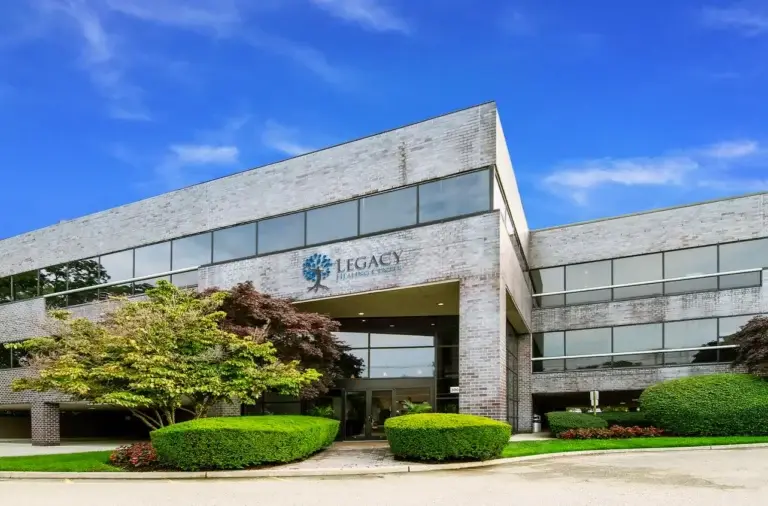
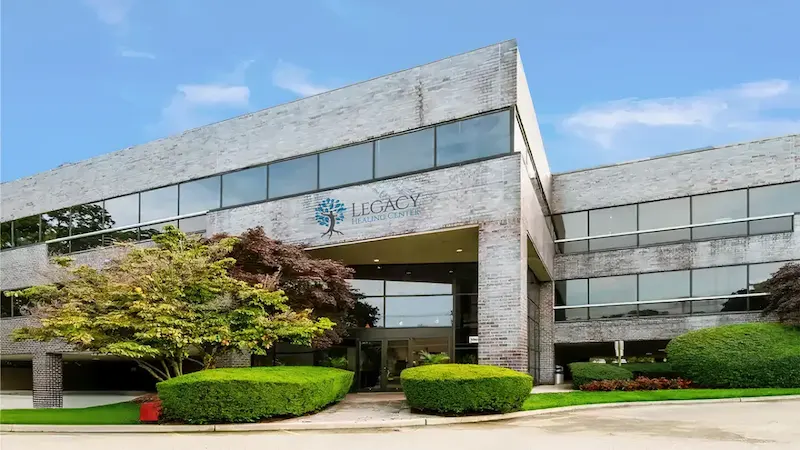
Legacy Healing Center’s Partial Hospitalization Program is offered at our North Jersey treatment center at:
300 Littleton Road, Suite 200
Parsippany, NJ 07054
The Parsippany location provides access to structured behavioral health treatment for clients from Morris County and communities throughout North and Central New Jersey.
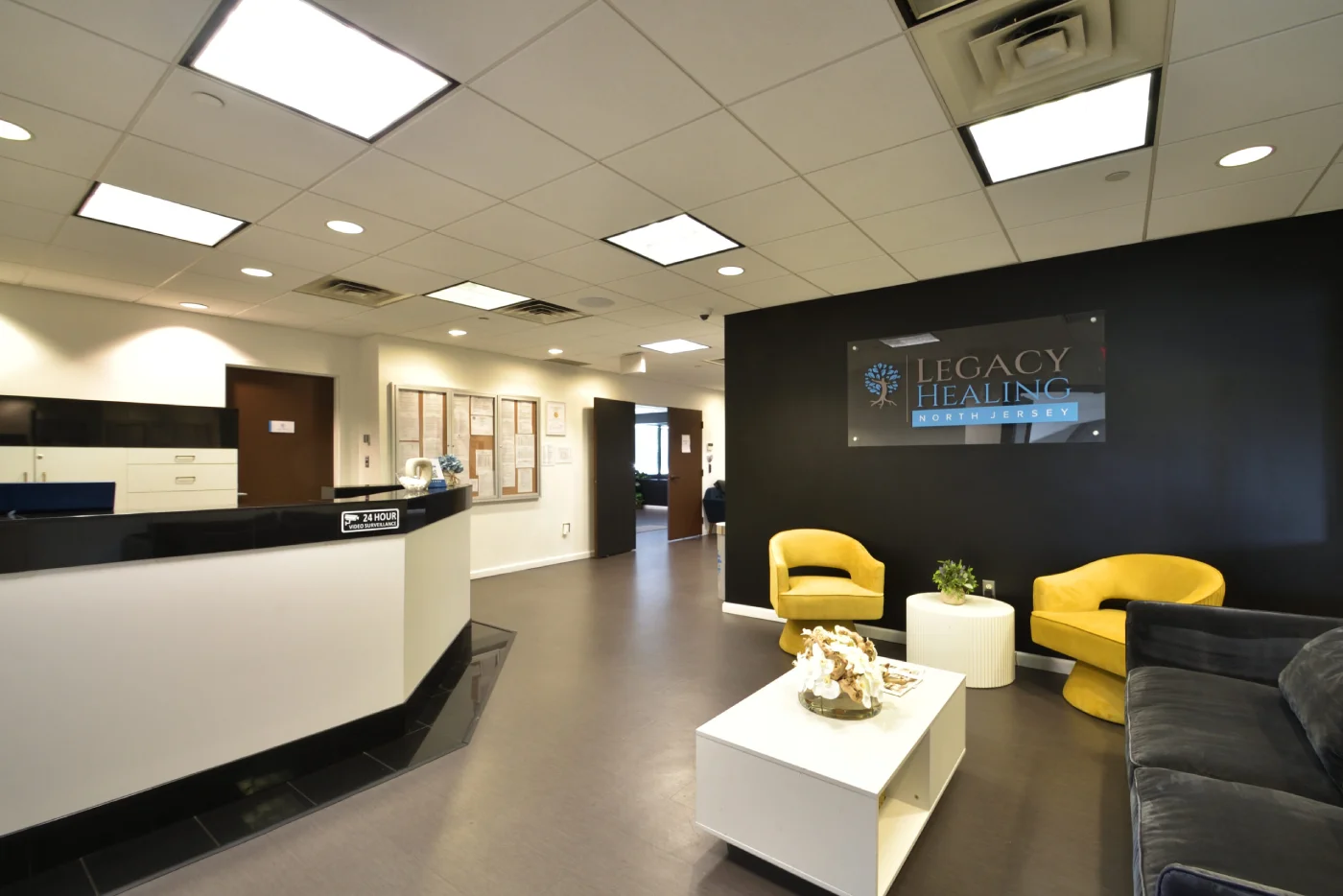
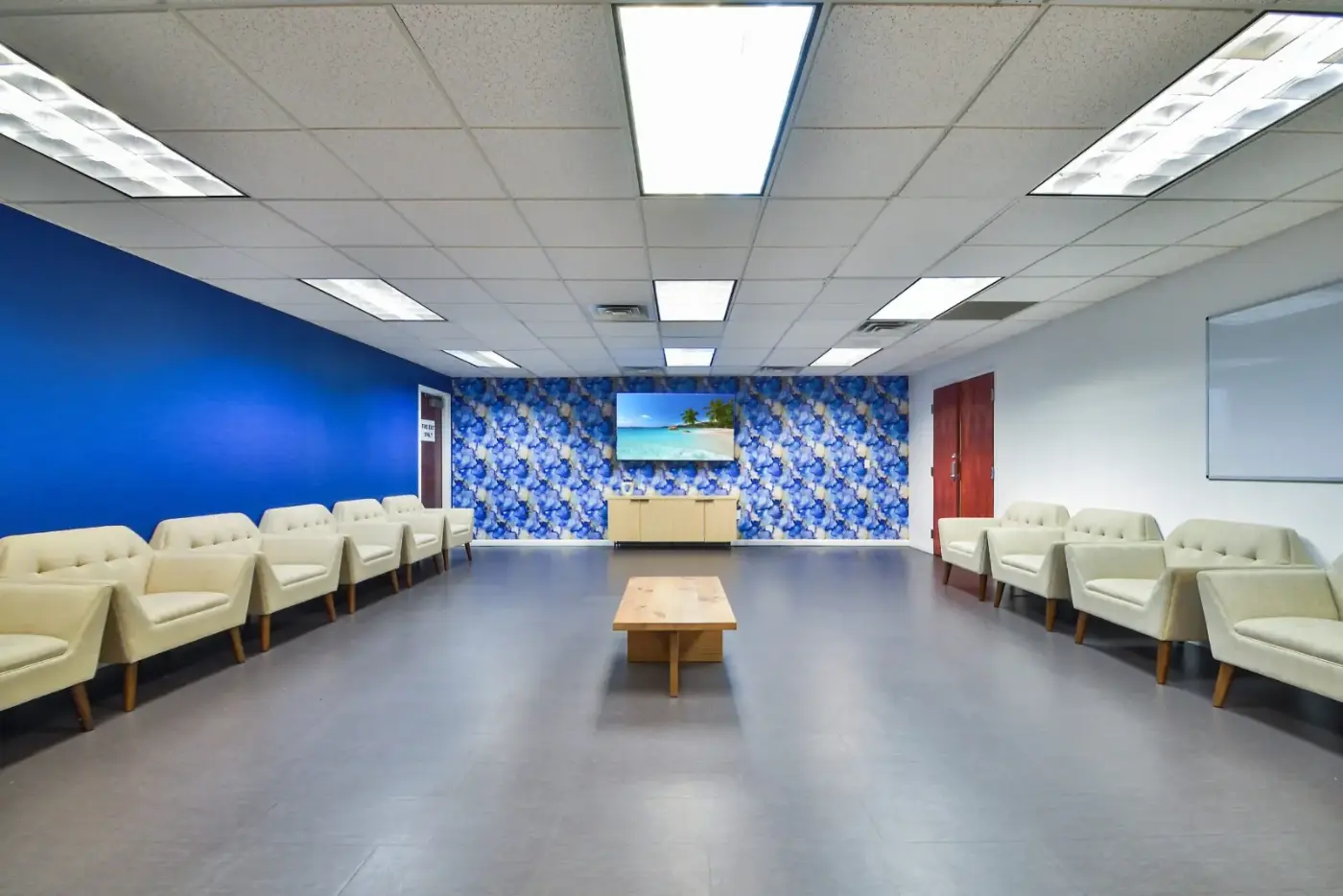
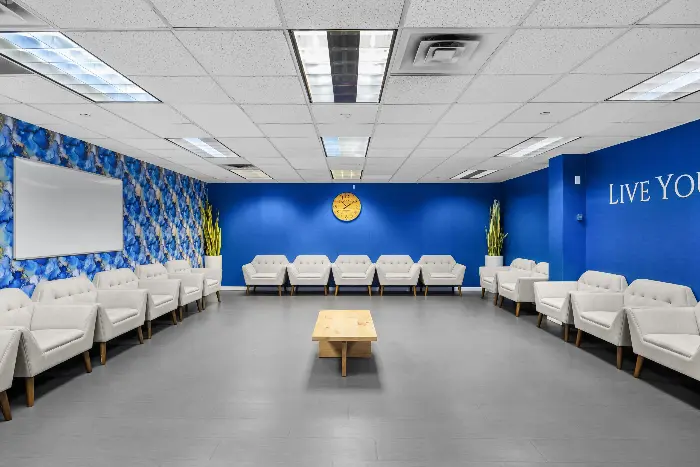
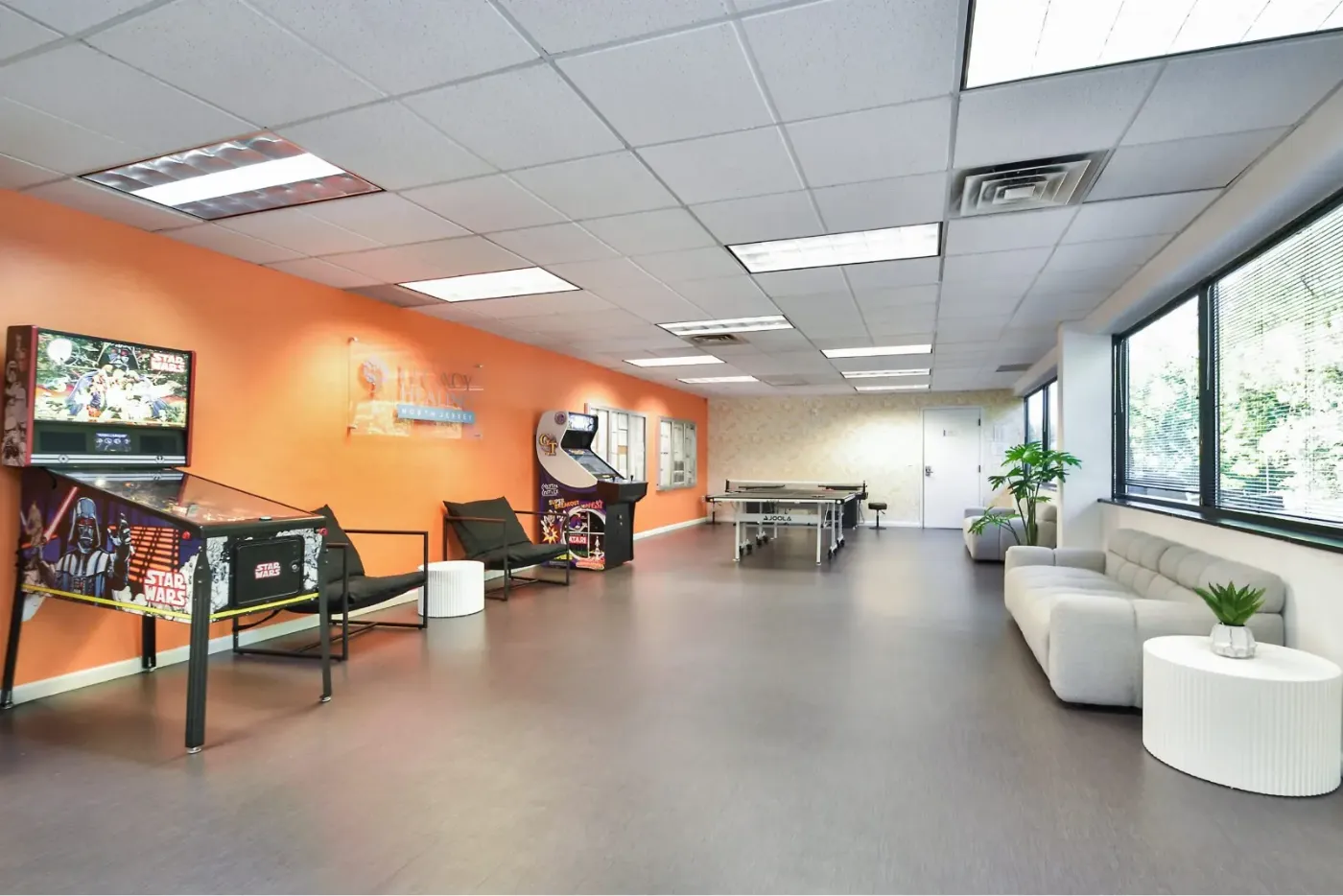
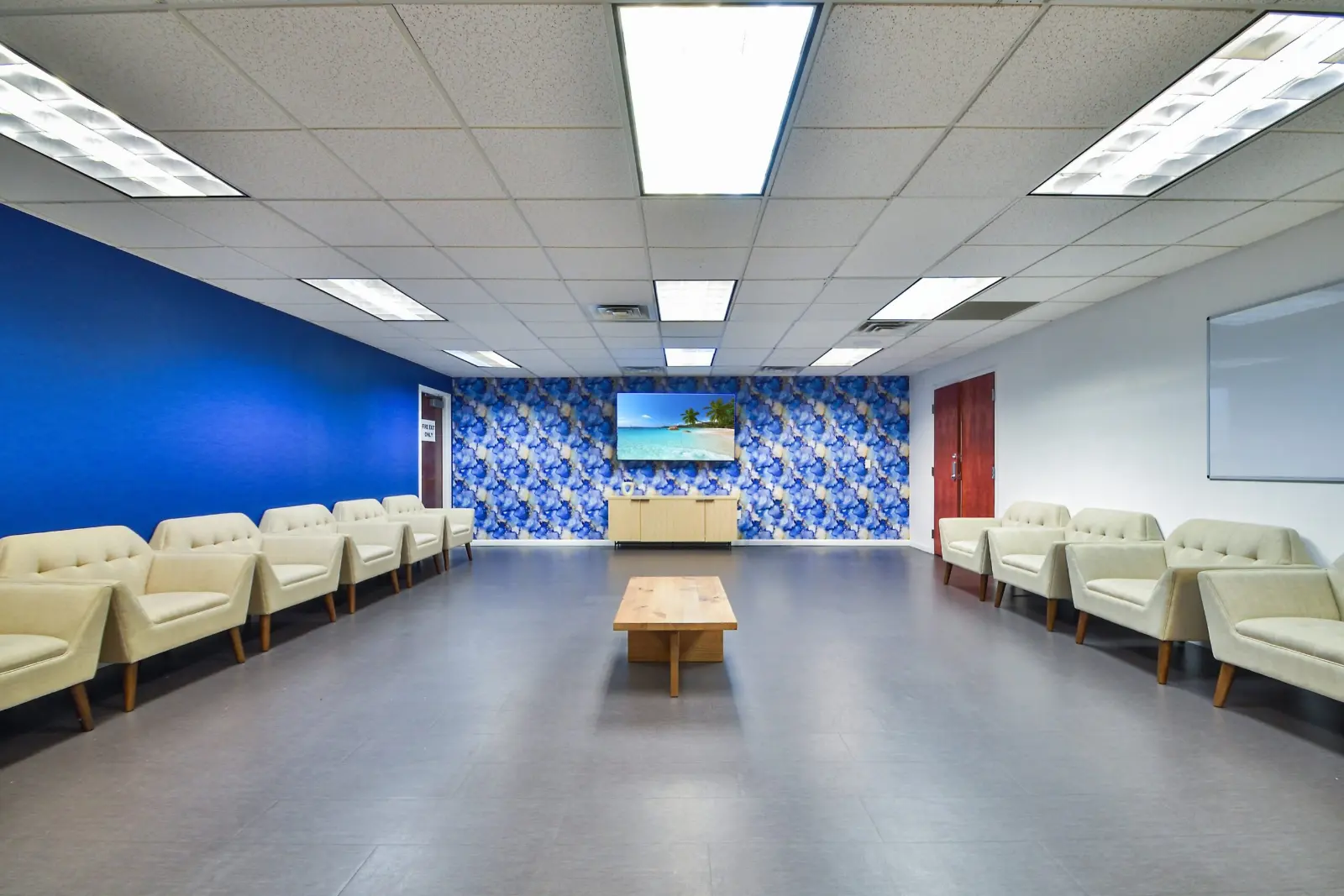
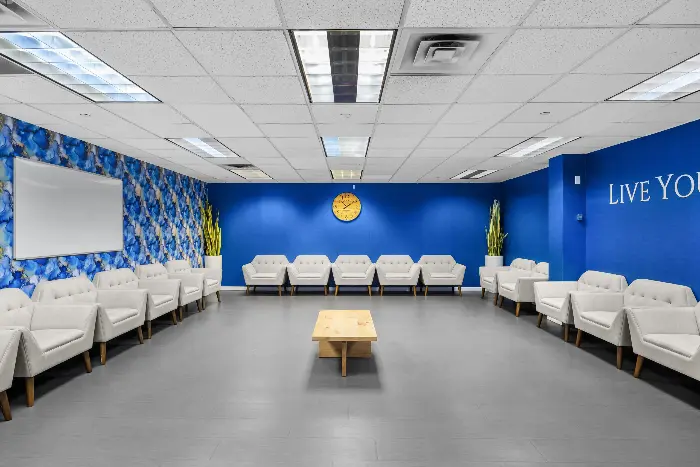
Our goal is to create a treatment environment that feels safe, private, comfortable, and intentionally designed for the work clients are doing in recovery.
Legacy Healing Center’s New Jersey program operates under applicable New Jersey behavioral health licensure requirements ( License No. 2000924) and is accredited by The Joint Commission.
Medical and clinical review:
Dr. Ash Bhatt, MD, MRO, FASAM — Chief Medical Officer
Phyllis Rodriguez, PMHNP-BC — Psychiatric-Mental Health Nurse Practitioner
Many health insurance plans include benefits for behavioral health treatment, but coverage for PHP depends on the specific plan, medical necessity requirements, network status, authorization requirements, deductible, coinsurance, and other policy details.
Legacy Healing Center works with plans from a number of insurers and benefit administrators, including Aetna, Anthem, Carelon Behavioral Health, Harvard Pilgrim Health Care, Highmark, Meritain Health, NYSHIP, Surest, and TRICARE. Coverage and network status vary by individual policy.
Self-pay options are also available.
Insurance verification allows our admissions team to review available behavioral health benefits and explain what we can determine about coverage before treatment begins. Depending on the plan, this may include reviewing eligibility, PHP benefits, deductible status, copays or coinsurance, authorization requirements, and potential out-of-pocket responsibility. Verifying benefits does not obligate you to enter treatment.
Verify Insurance Benefits
If your insurance does not cover PHP or you prefer not to use insurance, ask our admissions team about available self-pay options. The goal is to give you clear information about the financial side of treatment so you can make an informed decision before admission.
You do not need to know whether PHP is the correct level of care before contacting us. Determining that is part of the admissions and clinical assessment process.
1. Speak with admissions.
Tell us what is happening, what type of treatment you are considering, and any immediate concerns you have. We can also answer questions about the Parsippany program, schedule, housing, and insurance.
2. Complete an assessment and benefits review.
Our team gathers the clinical information necessary to determine whether PHP is an appropriate level of care and can verify insurance benefits when applicable.
3. Review the recommendation and next steps.
If PHP is appropriate, we will explain the program and coordinate the next steps for admission. If another level of treatment is more appropriate, we will explain why.
Completing PHP is an important milestone, but recovery often continues with a lower level of support. Your clinical team will help determine the next step based on your progress and ongoing needs, with the goal of providing the right level of support as you become more independent in recovery.


As stability and independence continue to improve, clients may step down to traditional outpatient treatment. This can include individual therapy, group therapy, psychiatric care, medication management, and other services recommended as part of an individualized continuing-care plan.

Yes. MAT is available when clinically appropriate and can be integrated with counseling and behavioral health services as part of an individualized treatment plan.
After PHP, clients typically step down to an intensive outpatient program (IOP) or traditional outpatient care, and work with their treatment team to build a continuing-care plan that supports long-term recovery.

in less than 2 minutes.
Our experts will review your coverage and help you explore treatment options.
All calls are 100% confidential.