


-
 Written By:
Alex Herrera
Written By:
Alex Herrera
-
 Edited By:
Phyllis Rodriguez, PMHNP-BC
Edited By:
Phyllis Rodriguez, PMHNP-BC
-
 Clinically Reviewed By:
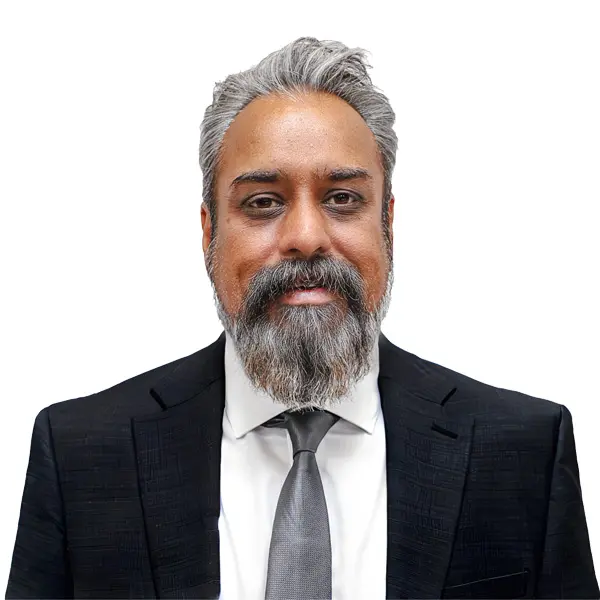
Dr. Ash Bhatt, MD, MRO
Clinically Reviewed By:
Dr. Ash Bhatt, MD, MRO
How Does Holistic Treatment Transform Addiction Recovery?
Key Takeaways
- Sustainable recovery requires treating more than just substance use.
In my experience, lasting recovery happens only when we address the underlying drivers,trauma, emotional pain, and co-occurring mental health conditions alongside addiction. - Unresolved trauma and mental health conditions are leading causes of relapse.
I often see relapse not as a failure of willpower, but as a result of incomplete treatment. When these underlying factors are not addressed, the cycle tends to repeat. - Recovery is a structured, multi-dimensional process.
What I emphasize to every patient is that healing takes time and requires a coordinated approach. When clinical care and holistic therapies work together, long-term recovery becomes far more achievable.
Healing from addiction is never a single-step event. It is a gradual, intentional process that reshapes how a person thinks, feels, and connects with the world. With research showing that over 60% of individuals in recovery benefit most from programs that combine behavioral therapy, medical treatment, and holistic interventions, it is clear that deeper, integrated care is no longer optional; it is essential.
Rooted in clinical expertise, guided by trauma-informed principles, and supported by integrative therapies, our treatment model reflects a deeper truth: recovery becomes sustainable when healing touches the mind, body, and spirit together.
A Philosophy Grounded in Expertise and Human Understanding
Holistic healing gains its power when paired with clinical precision. At Legacy Healing Center New Jersey, this balance is shaped by Dr. Ash Bhatt, a quintuple board-certified Chief Medical Officer whose leadership blends science, compassion, and decades of experience. His approach ensures every treatment plan reflects both evidence-based practice and a deep respect for each individual’s lived experience.
Dr. Bhatt summarizes this best:
“Lasting recovery is possible only when we understand the whole person, not just the addiction, but the emotional, psychological, and environmental factors that shape it.”
This philosophy is woven through every program, every session, and every point of care.
Evidence-Based Therapies That Rebuild the Mind
Even within a holistic framework, science remains central. We use clinically validated therapies to help clients rebuild patterns of thought, behavior, and emotional regulation. These methods work together to strengthen clarity, resilience, and self-awareness.
Key therapeutic modalities include:
- Cognitive Behavioral Therapy (CBT): To help clients understand harmful thought patterns and develop healthier responses.
- Dialectical Behavioral Therapy (DBT): To support emotional regulation, distress tolerance, and mindfulness-based coping skills.
- Motivational Interviewing (MI): To encourage internal motivation and readiness for change in a supportive manner.
- Medication-Assisted Treatment (MAT): To offer medical stabilization when appropriate, reducing cravings and withdrawal distress.
- Integrated Dual Diagnosis Support: To address mental health and addiction together for more stable long-term outcomes.
These therapies evolve throughout treatment as clinicians continually assess progress and adjust care plans to meet shifting needs.
Quick Answers from Dr. Ash Bhatt
“What makes treatment effective is not just support, but structure. Evidence-based therapies allow us to help individuals understand their thought patterns, regulate emotions, and build healthier responses. This is where real behavioral change begins.”
Trauma-Informed Care for True Transformation
Healing from addiction becomes possible only when a person feels genuinely safe, both emotionally and physically. A trauma-informed approach creates that safety by recognizing how past experiences shape current behaviors, coping patterns, and fears. Instead of asking, “What’s wrong with you?” this framework begins with “What has happened to you?”, a shift that immediately reduces shame and opens the door to deeper healing.
In trauma-informed environments, clinicians respond with consistency, patience, and understanding. They avoid practices that could overwhelm or re-trigger someone, and they help individuals move at a pace that feels manageable. This allows clients to regain a sense of control, rebuild trust in themselves, and feel supported in moments that used to feel overwhelming.
Quick Answers from Dr. Ash Bhatt
“In my experience, meaningful recovery cannot happen without a sense of safety. Trauma-informed care shifts the focus from judgment to understanding, which allows individuals to process underlying pain without becoming overwhelmed.”
Integrative Therapies to Restore the Body and Spirit
Holistic care recognizes that transformation extends beyond clinical sessions. Addiction impacts the body, spirit, and identity, often leaving individuals depleted physically and emotionally. Integrative therapies help fill these gaps and reconnect clients with a sense of purpose and vitality.
Programs to restore the mind, body, and spirit include:
- Yoga and breathwork to ground the nervous system
- Mindfulness and meditation for clarity and emotional balance
- Nutrition counseling to rebuild strength and stability
- Fitness and movement programs to restore physical confidence
- Spiritual exploration for those seeking deeper meaning
At our center, these integrative elements are thoughtfully combined with clinical care, helping clients reconnect with their bodies, rediscover joy in movement, and build healthier daily rhythms.
Quick Answers from Dr. Ash Bhatt
“Clinical treatment stabilizes the mind, but recovery also requires reconnecting with the body and sense of self. Integrative therapies help regulate the nervous system and rebuild that connection, which is essential for long-term balance.”
Personalized Care To Meet Each Person Exactly Where They Are
Every individual arrives at treatment with a different history, different struggles, and a different vision of what recovery should look like. That’s why personalized care is essential, it allows treatment to reflect the person, not the other way around. A thoughtful intake process helps uncover medical needs, emotional patterns, daily stressors, and personal goals, creating a clear picture of what support will be most effective.
From there, a tailored plan can be built — one that is flexible, responsive, and able to evolve as healing progresses. When therapists, physicians, and support teams work together, the experience feels more cohesive and less overwhelming. It helps individuals stay engaged, feel understood, and build trust in the process.
A Full Continuum of Care for Long-Term Support
Holistic treatment is most effective when it continues beyond the early stages of recovery. Our healing center offers a complete continuum of care, giving clients structured support at each step of the healing process.
Treatment options include:
- Medically supervised detox through trusted clinical partners
- Residential treatment for immersive healing
- Partial hospitalization and intensive outpatient programs for structured support
- Outpatient care, family therapy, and alumni services for long-term stability
This extended continuum allows clients to transition back into daily life with confidence, community, and enduring support.
Why Holistic Treatment Leads to Stronger and Sustainable Recovery
The strength of a holistic approach lies in its integration, evidence-based therapies, trauma-informed practices, and whole-person healing, all supported by credentialed professionals. This combination helps clients not just manage addiction but rebuild a life marked by clarity, purpose, and connection.
Holistic care transforms recovery by:
- Restoring physical balance
- Healing emotional wounds
- Rebuilding mental strength
- Strengthening identity and self-worth
- Empowering long-term resilience
Quick Answers from Dr. Ash Bhatt
“Sustainable recovery is the result of integration. When we address physical health, emotional well-being, and behavioral patterns together, we are not just helping someone stop using—we are helping them rebuild their life in a meaningful way.”
Begin Your Healing Journey in New Jersey
The first step often feels like the heaviest, yet it is also the most life-changing. At Legacy Healing Center – New Jersey, you will meet a team committed to discretion, compassion, and clinical excellence.
Whether you are seeking treatment for the first time or searching for a deeper, more holistic path, you get a place of refuge and renewal. Healing here is intentional, individualized, and grounded in both science and heart.
Call us 24/7 at 732-402-0352
[CONTACT US] [VERIFY INSURANCE]
Your journey toward healing begins the moment you reach out. We are here to walk with you every step of the way.
Explore More:
Expert Insights from Dr. Ash Bhatt
Questions & Answers Holistic Treatment
How does holistic treatment actually change recovery outcomes compared to traditional rehab?
How does holistic treatment actually change recovery outcomes compared to traditional rehab?
What I’ve seen clinically is that when treatment focuses only on substance use, the underlying drivers remain unresolved. A holistic model allows us to address emotional, psychological, and physical factors together, which leads to more stable and lasting outcomes.
Why is treating trauma essential in holistic addiction recovery?
Why is treating trauma essential in holistic addiction recovery?
In many cases, substance use develops as a way to cope with unresolved trauma. If that trauma is not addressed, the need for coping mechanisms often remains. Trauma-informed care allows us to treat the root cause, not just the symptoms.
Are therapies like yoga and mindfulness clinically meaningful or just supportive?
Are therapies like yoga and mindfulness clinically meaningful or just supportive?
They are highly meaningful when integrated correctly. These therapies help regulate the nervous system, reduce stress responses, and improve emotional stability, which directly supports the clinical work being done in therapy and medical care.
How is personalized care different from standard treatment approaches?
How is personalized care different from standard treatment approaches?
No two individuals present the same way clinically. Personalized care allows us to adjust treatment based on medical history, emotional patterns, and progress over time, which significantly improves engagement and outcomes.
Why is a full continuum of care important in holistic recovery?
Why is a full continuum of care important in holistic recovery?
Recovery does not end after detox or residential treatment. What I emphasize is continuity, structured support across different levels of care ensures that progress made in early stages is not lost during reintegration into daily life.
Who benefits most from a holistic treatment approach?
Who benefits most from a holistic treatment approach?
This model is especially effective for individuals with co-occurring mental health conditions, unresolved trauma, or a history of relapse. It provides a more comprehensive framework for long-term stability.
Disclaimer: This content is not a diagnosis or medical advice, it is provided for educational purposes only. If you or a loved one is struggling with substance use, please consult a qualified medical professional.
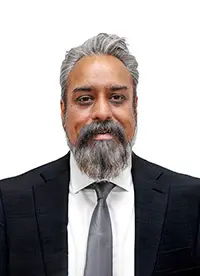
Dr. Ash Bhatt MD. MRO
Quintuple board-certified physician and certified medical review officer (AAMRO) with 15+ years of experience treating addiction and mental health conditions. Read More…